
The Wine Land - Manuel
Casaseca de las Chanas, Zamora, Spain
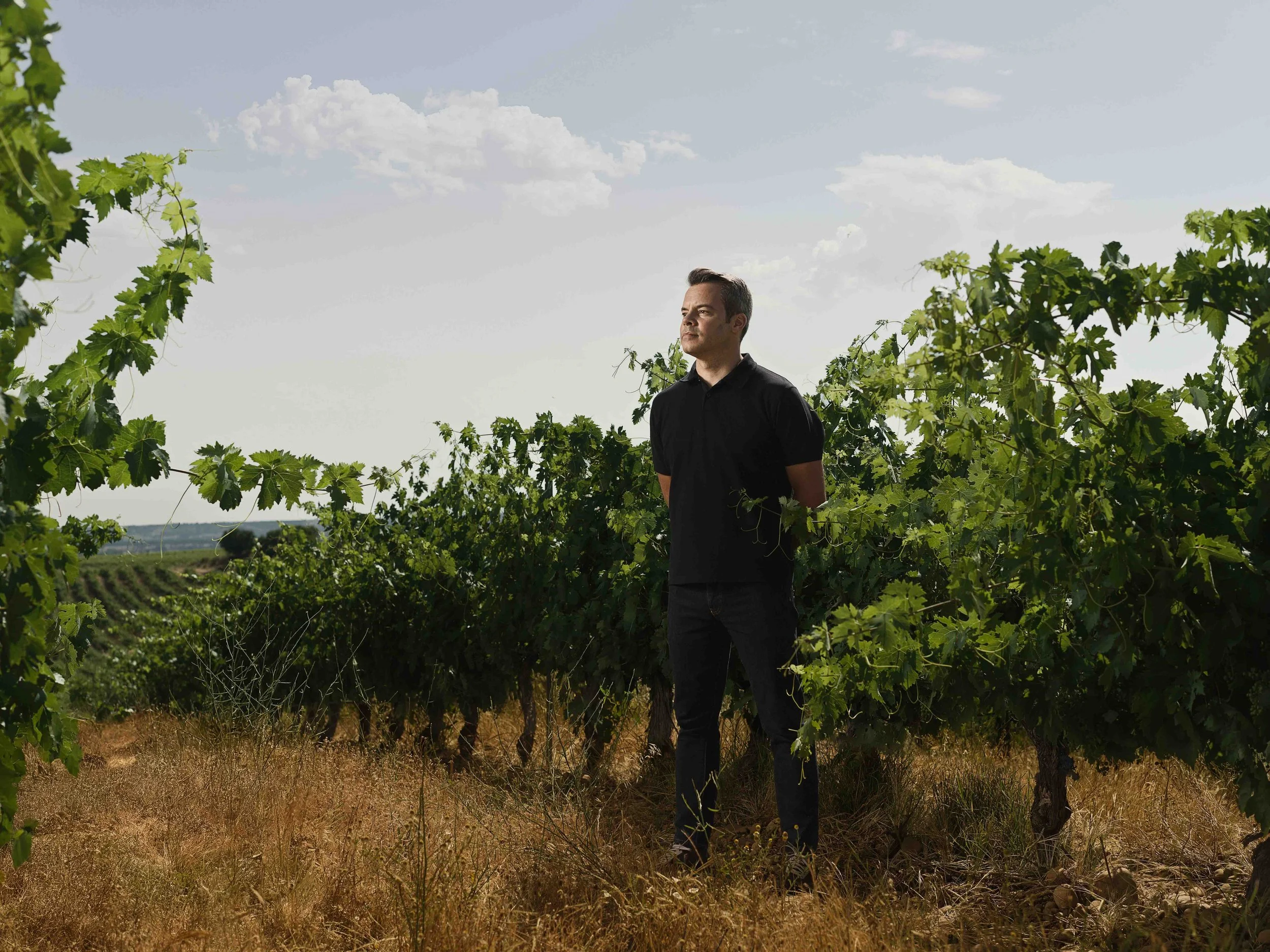
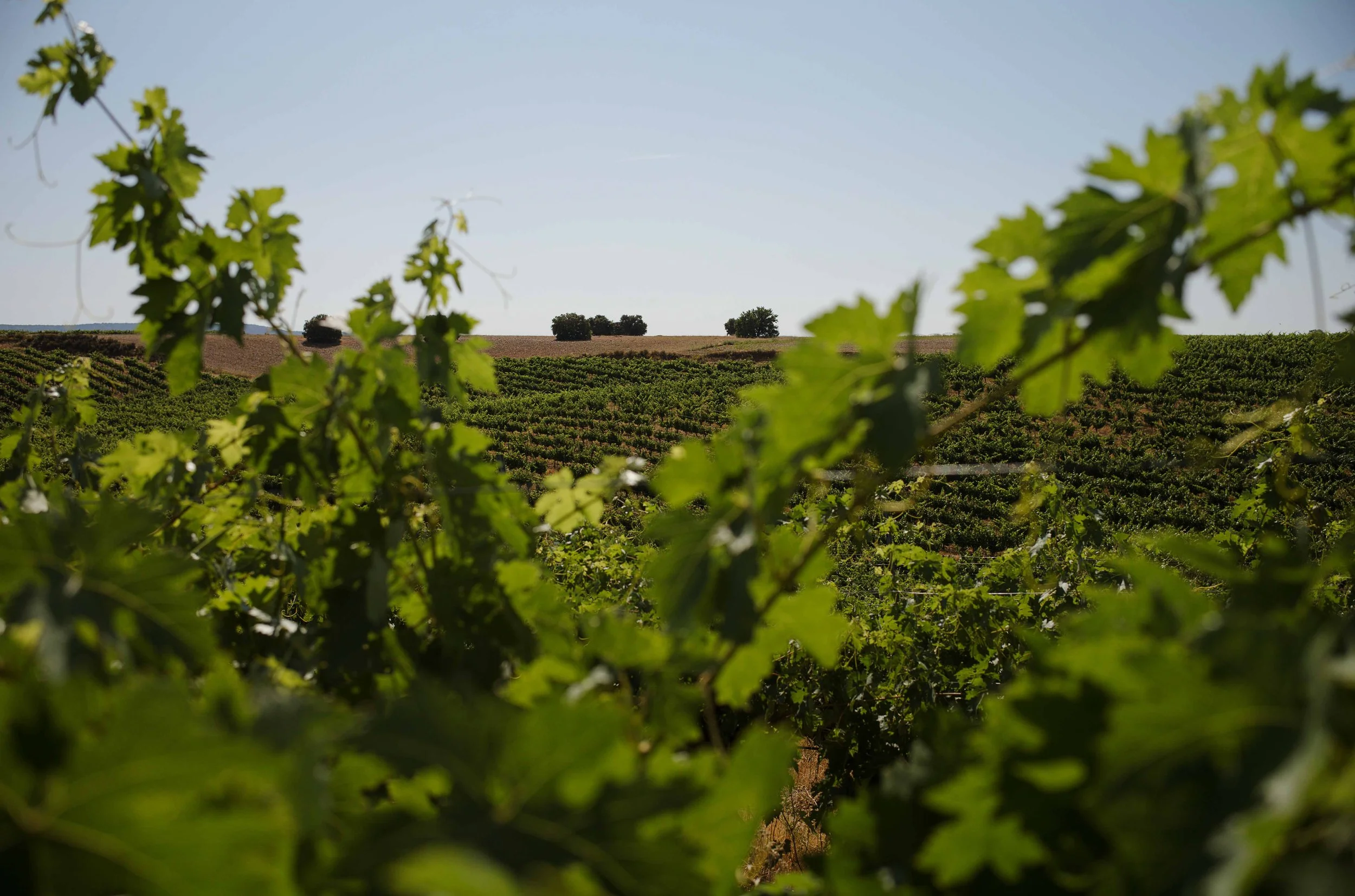
Driving west from Salamanca, the landscape slowly began to change. The endless agricultural plains unfolded into vineyards stretching towards the horizon, revealing a region where wine has shaped both the landscape and the people for centuries. As we entered the province of Zamora, it became clear that wine growing is deeply rooted in the identity of this land.
We met Manuel Fariña in the small village of Casaseca de las Chanas, in the heart of La Tierra del Vino—"The Wine Land"—the only region in the world that still carries this historic name.
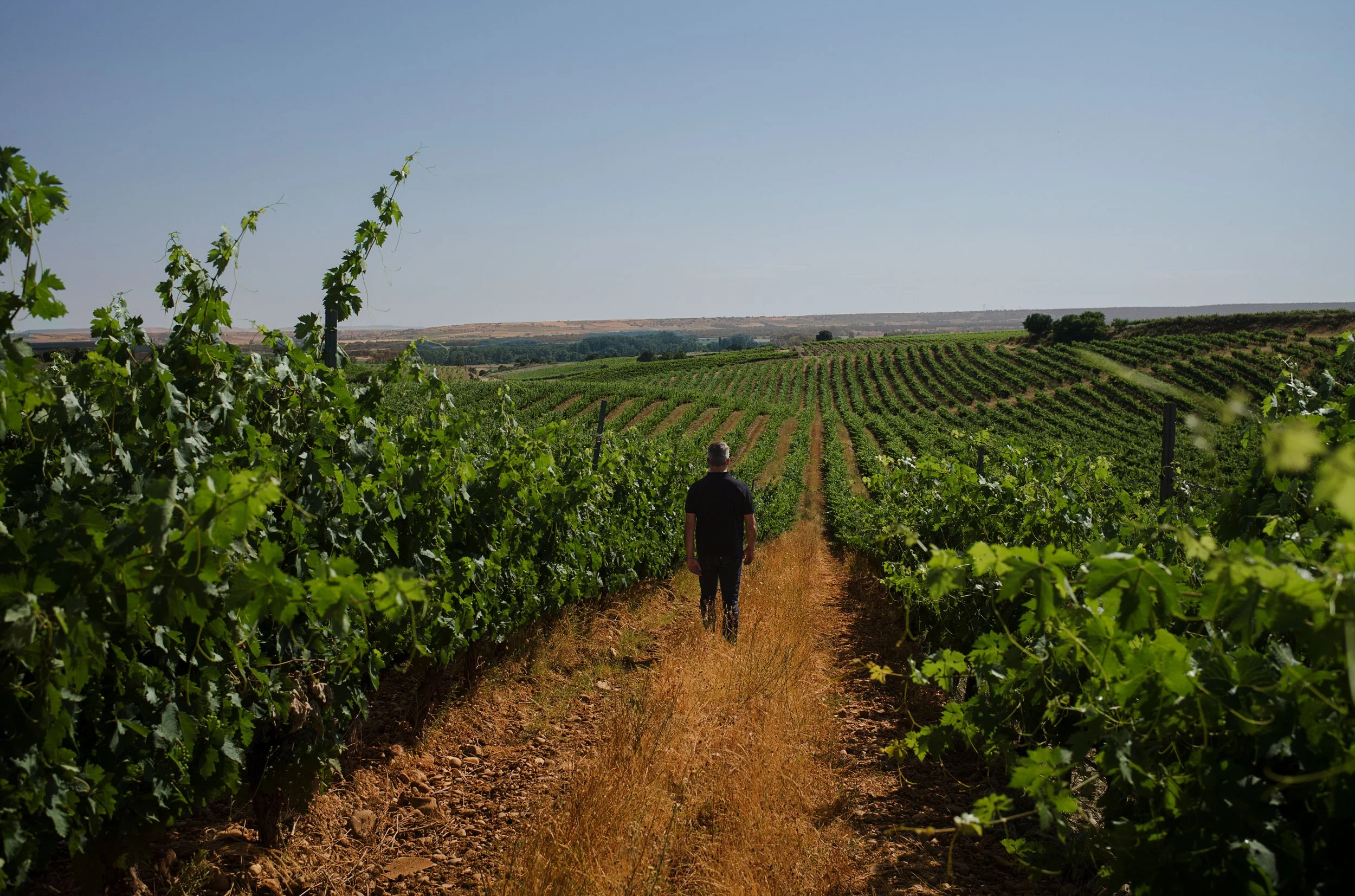
Walking through the vineyard, one detail immediately caught my attention. The ground beneath the vines was unlike anything I had expected. Dry, sandy and covered with gravel and rounded stones, it looked almost too poor to support life. Manuel explained that these soils are one of the region's greatest treasures. Their composition protected the vineyards from phylloxera, preserving vines and genetics that disappeared from many other wine regions across Europe.
"We try to make something ordinary become something special."
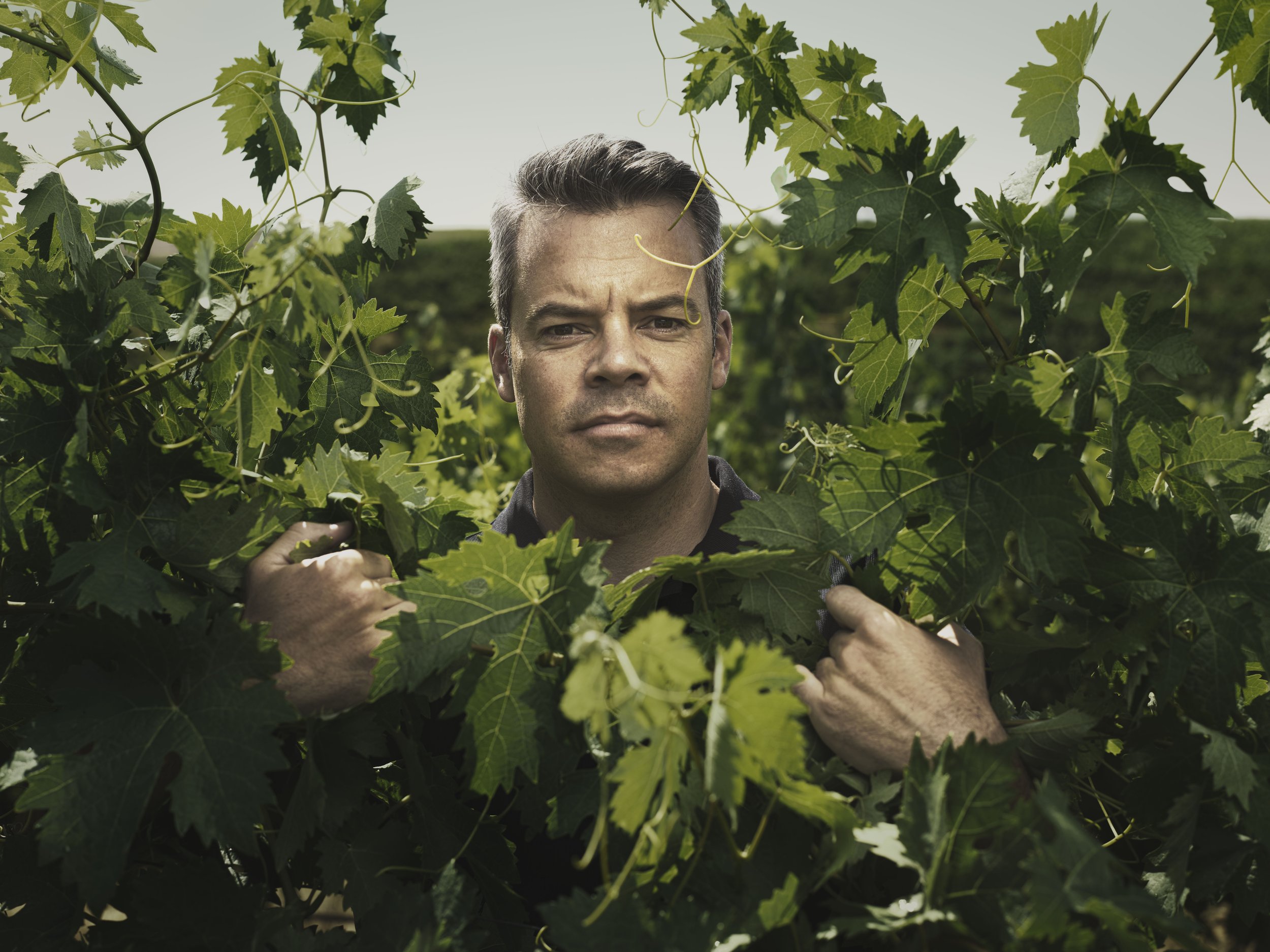
His family's story began in 1942, when his grandparents left the mountain village of Porto in search of a better life. They settled in Casaseca de las Chanas, bought a small house, a few vineyards and some land, and slowly rebuilt their lives through hard work and determination.
Years later, Manuel's father saw an opportunity to do something different. At a time when most growers sold their grapes or wine in bulk, he decided to bottle wine under the family name. It was a bold decision that helped establish one of the first family wineries in the region and laid the foundations for what exists today. Growing up surrounded by vineyards, Manuel never felt pressured to continue the family tradition. "There are only two ways with this kind of work," he told me. "You either love it or you hate it." Watching his parents every day, he gradually found that same passion. "I never saw them complaining. I only saw them happy to go to the vineyards and to the winery."
"There are only two ways with this kind of work.
You either love it or you hate it."
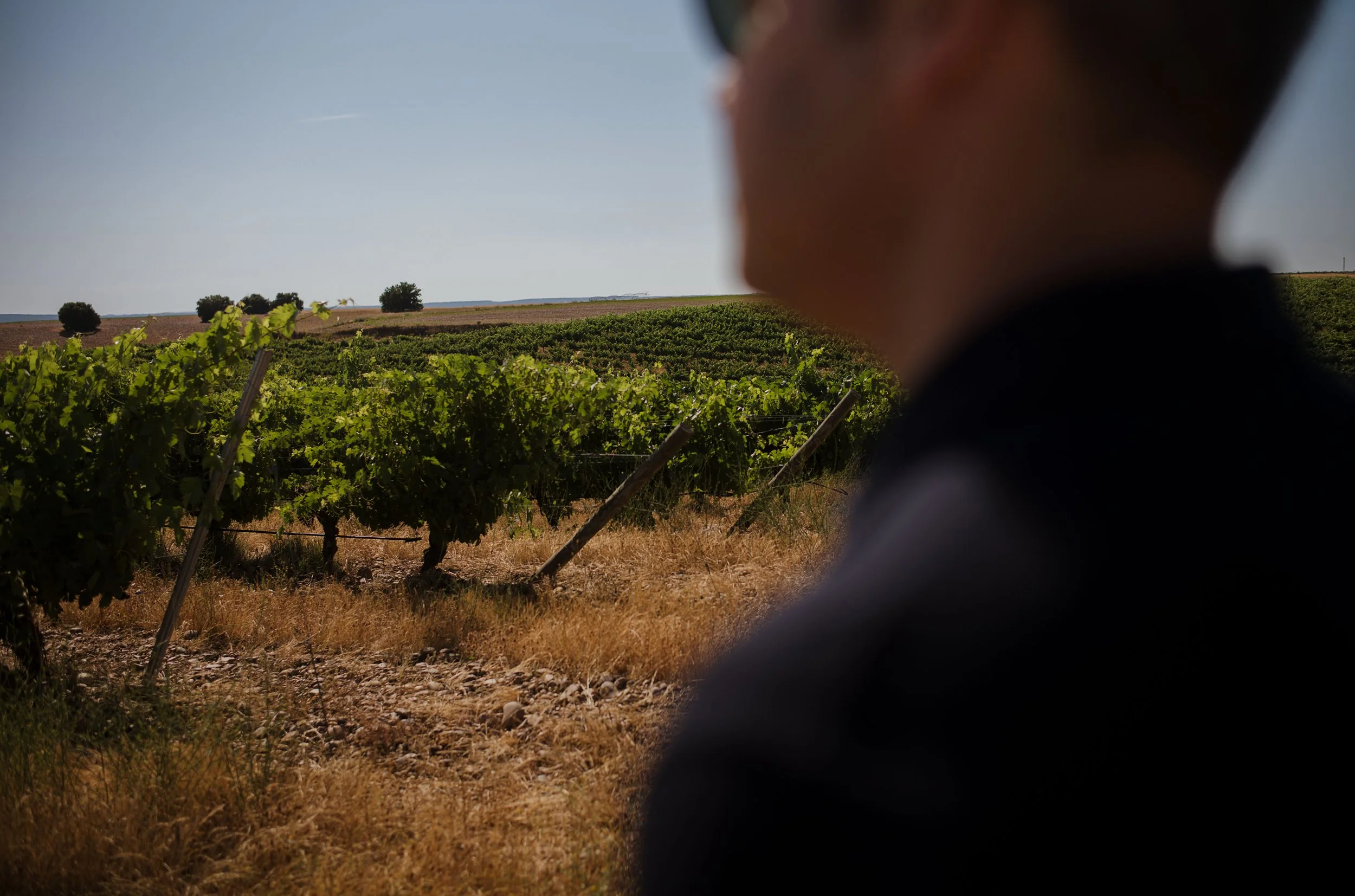
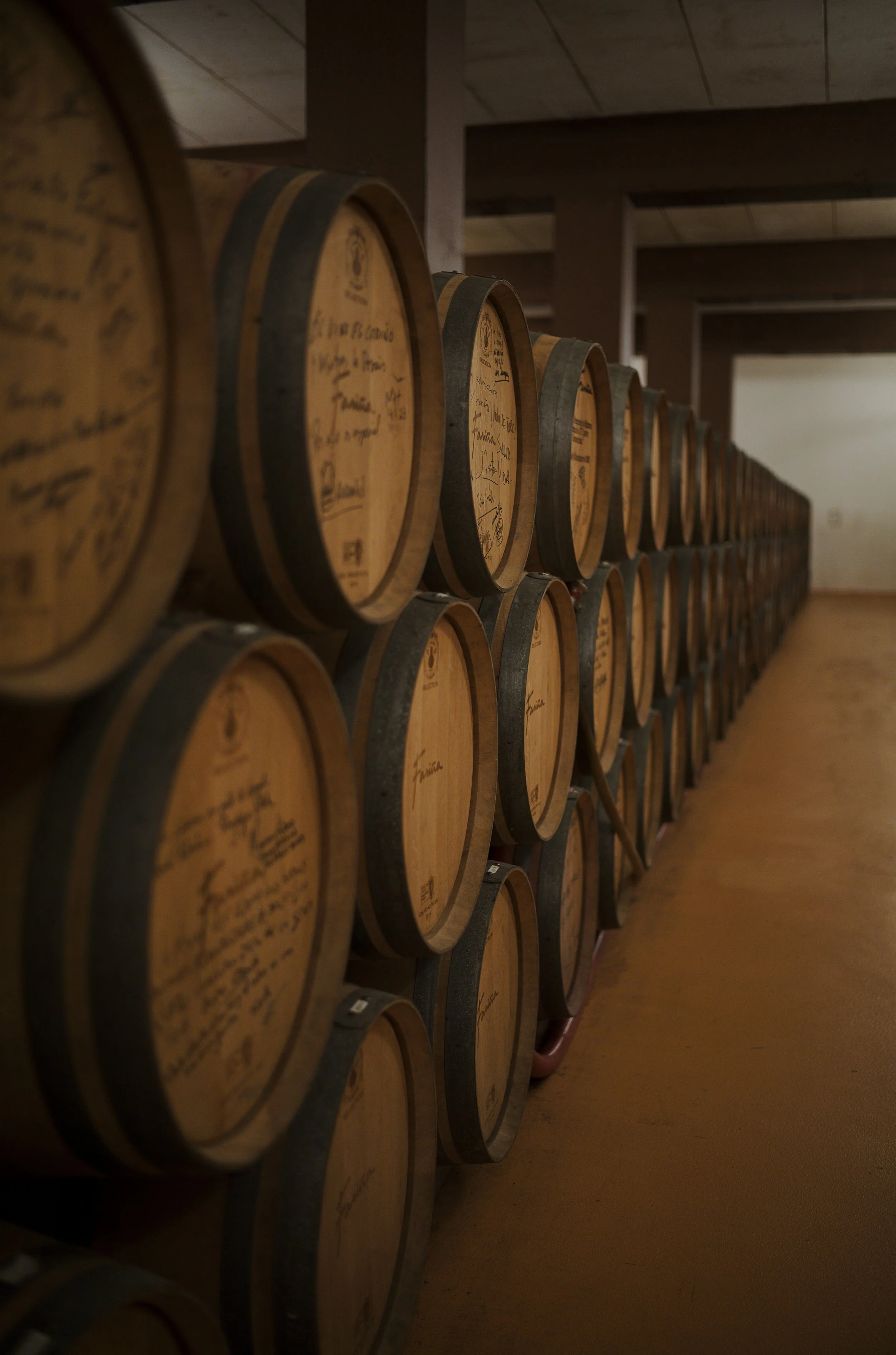
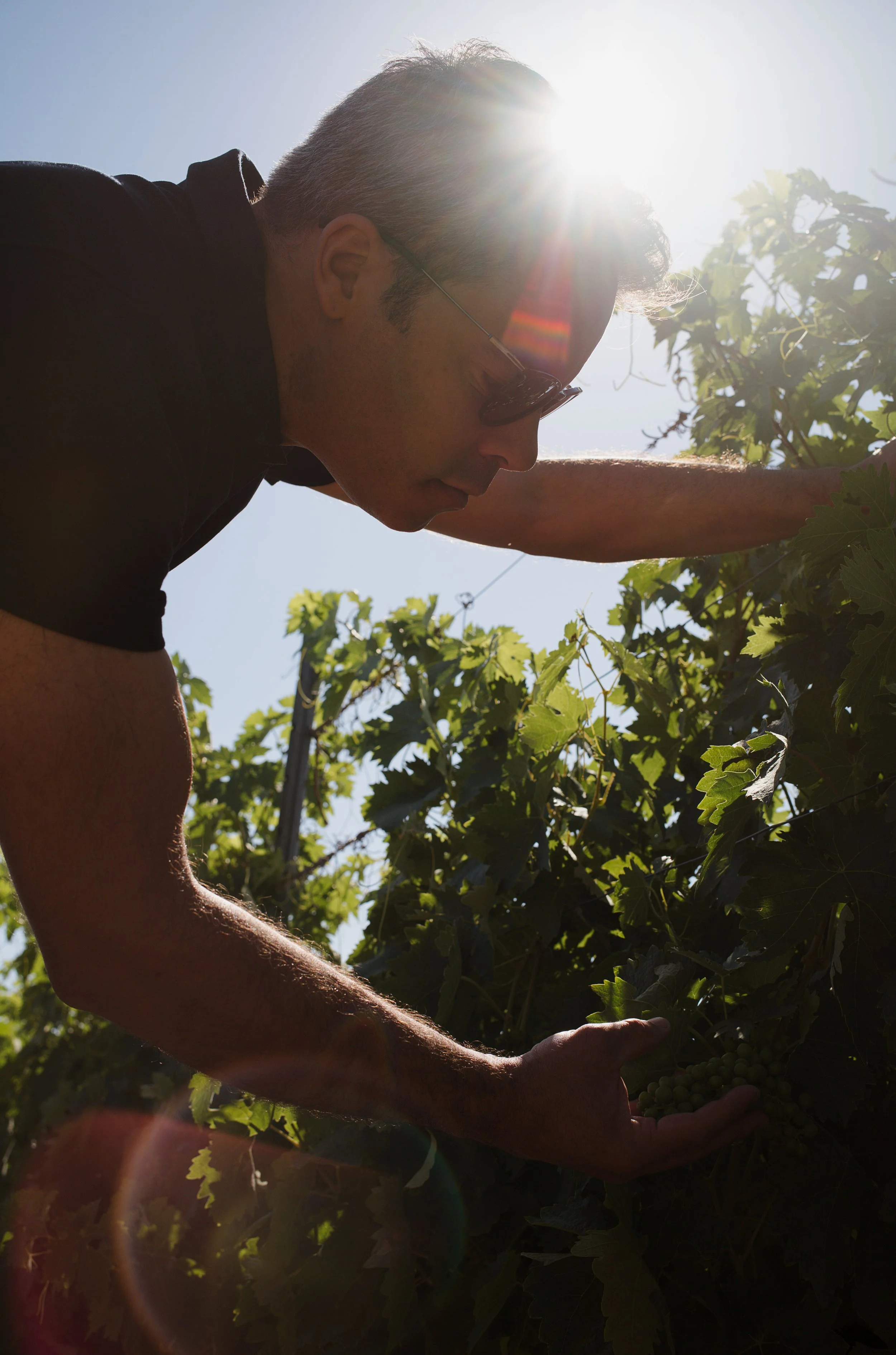
Today, Manuel combines his work as an Agricultural Engineer with the knowledge passed down through three generations of his family. Science and tradition work side by side, helping him understand not only how to produce better grapes, but how to protect the land for the future.
When we spoke about the winery, one thing became clear. His goal isn't simply to make wine.
"We try to make something ordinary become something special."
That philosophy can be seen in every part of the process, from caring for the vineyard to the decisions made inside the winery. Every bottle represents years of work, patience and respect for the land.
Like every grower, however, he knows that nature always has the final word.
"If hail comes today," he said, "I'll probably spend the whole week crying."
It wasn't only about losing a harvest. It was about watching months of work disappear in just a few minutes.
Working with wine has also shaped the way he approaches life.
"Wine teaches you to think long term," he explained. "You don't change your life in one year. You think about five years, ten years ahead."
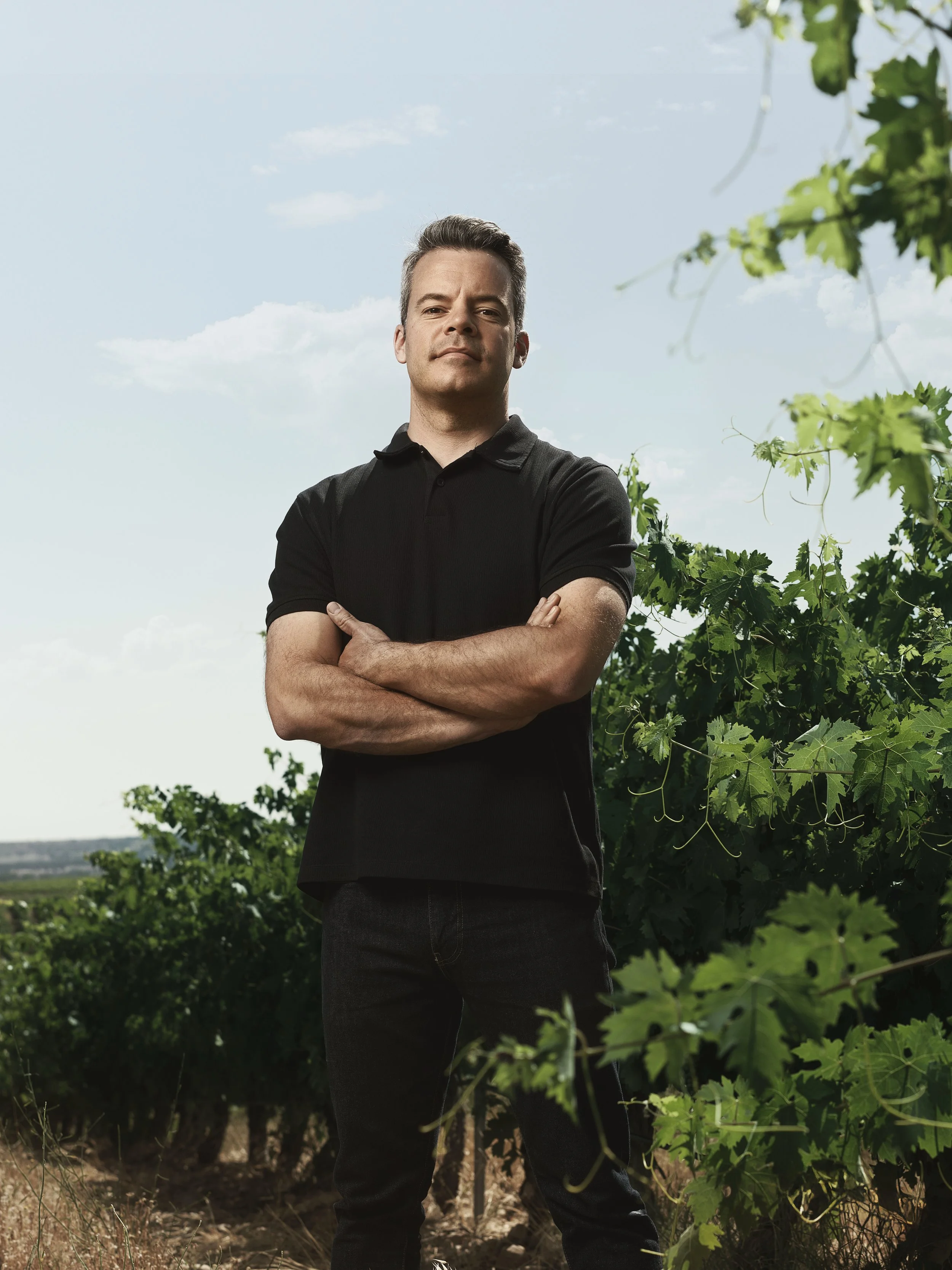
Listening to him, it became clear that this way of thinking extends far beyond the vineyard. Every decision is made with the next generation in mind.
When I asked whether he hoped his children would one day continue the winery, his answer surprised me.
"I just want them to be free."
For Manuel, passion cannot be inherited. It has to be discovered.
As the afternoon light settled over the vineyard, I realised this story wasn't only about wine.
It was about a family that has spent more than eighty years caring for the same land, adapting to change while preserving the values that first brought them here.
Some legacies are measured in generations.
Others are measured in the people willing to continue them.