Olive Farm - Atsas
Petra, Cyprus
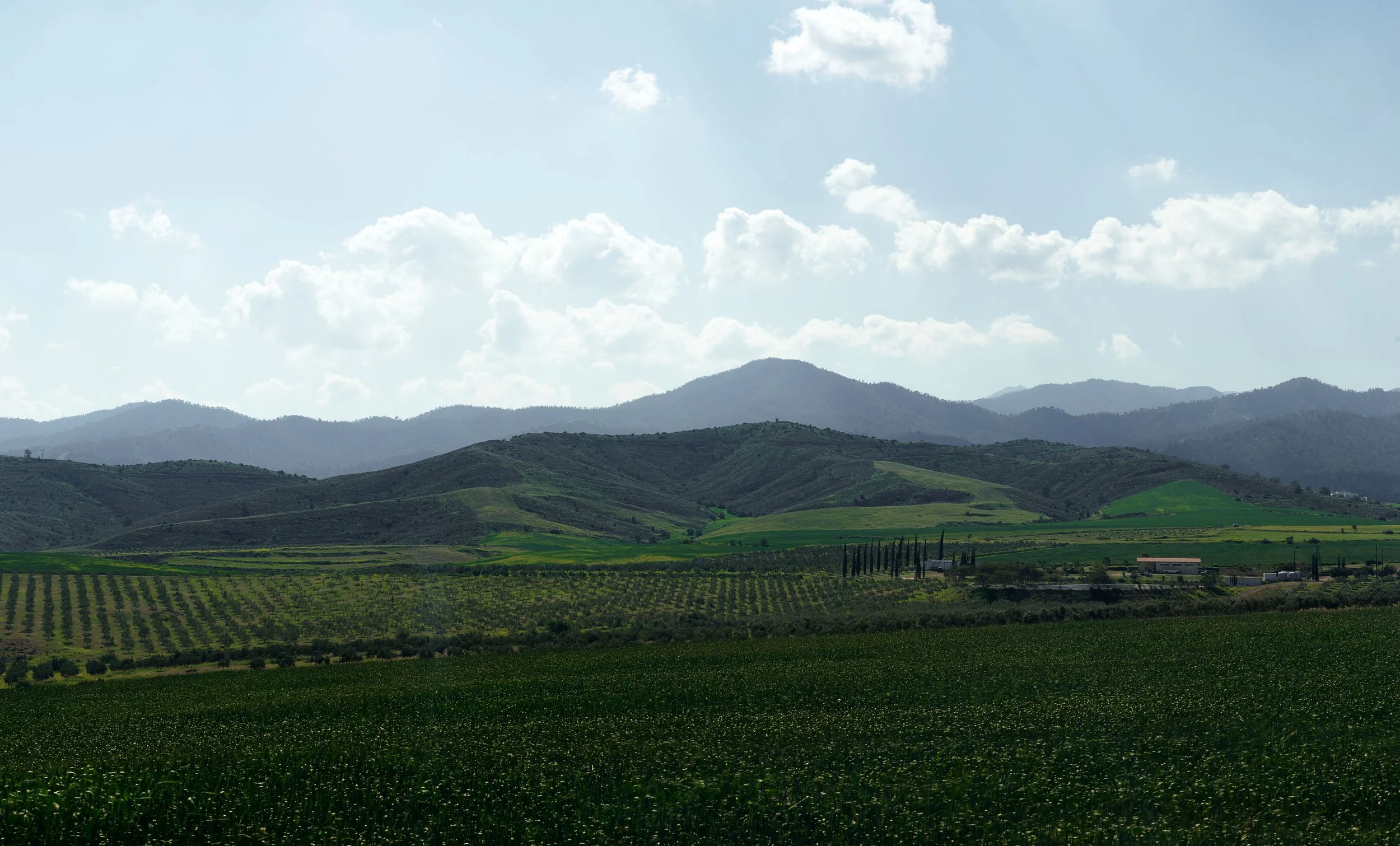
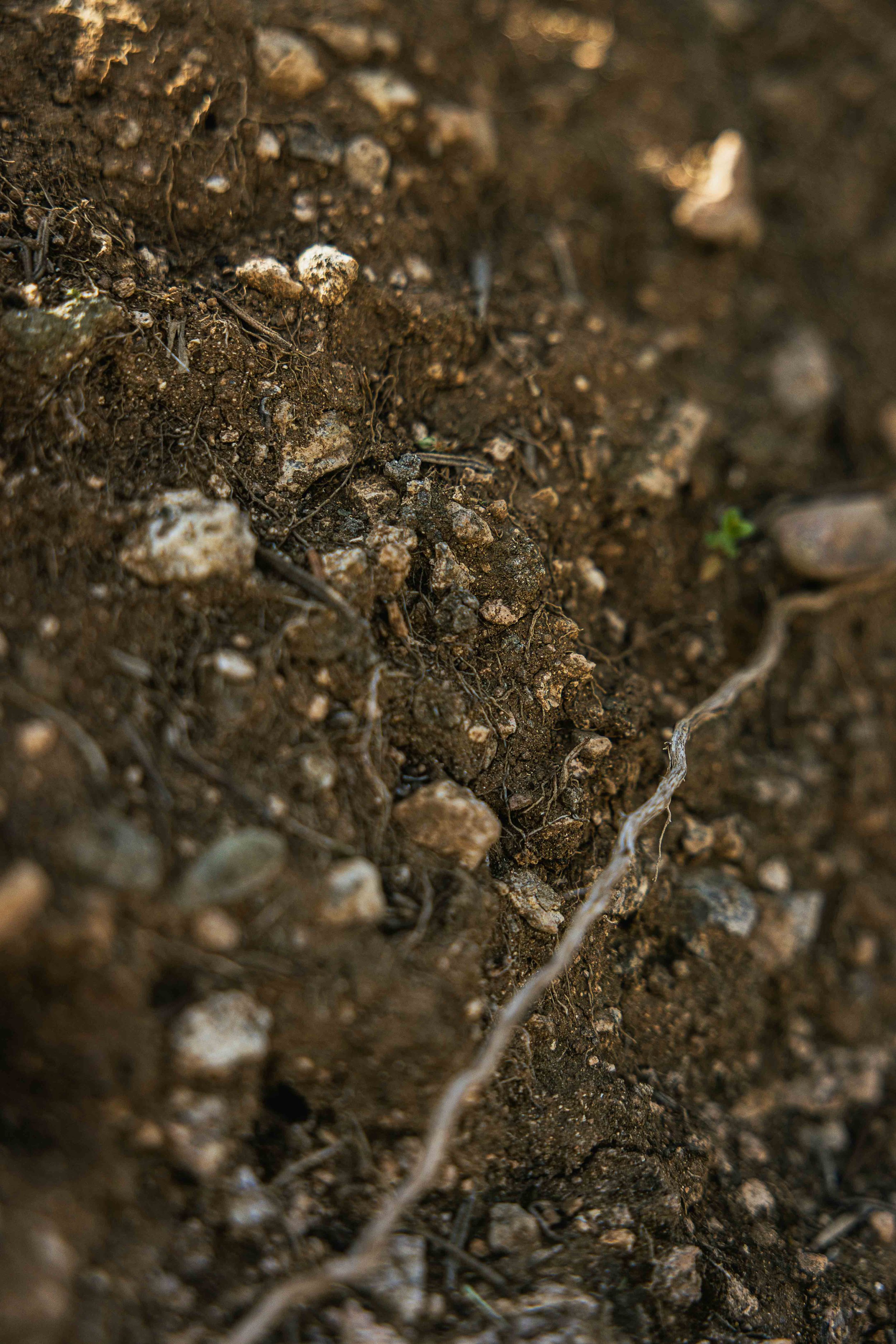
The land here is open and quiet. Slightly flat with small hills, facing the sea on one side and the mountains far in the distance. The soil is hard and full of stones, typical of the area. After remaining untouched for decades inside the buffer zone, the land slowly returned to life.
It was the vision and deep desire of George David to acquire land close to his occupied village, Petra, in the area where the olive groves of Atsas now stretch. In 2009 the first olive trees were planted, and in 2012 the first olive oil was produced, marking the beginning of a new journey.Over the years, the farm managed to achieve something remarkable. The olive oil produced here is extremely rich in polyphenols, natural compounds known for their antioxidant and health properties. Today, Atsas holds records for producing one of the highest polyphenol olive oils in the world.
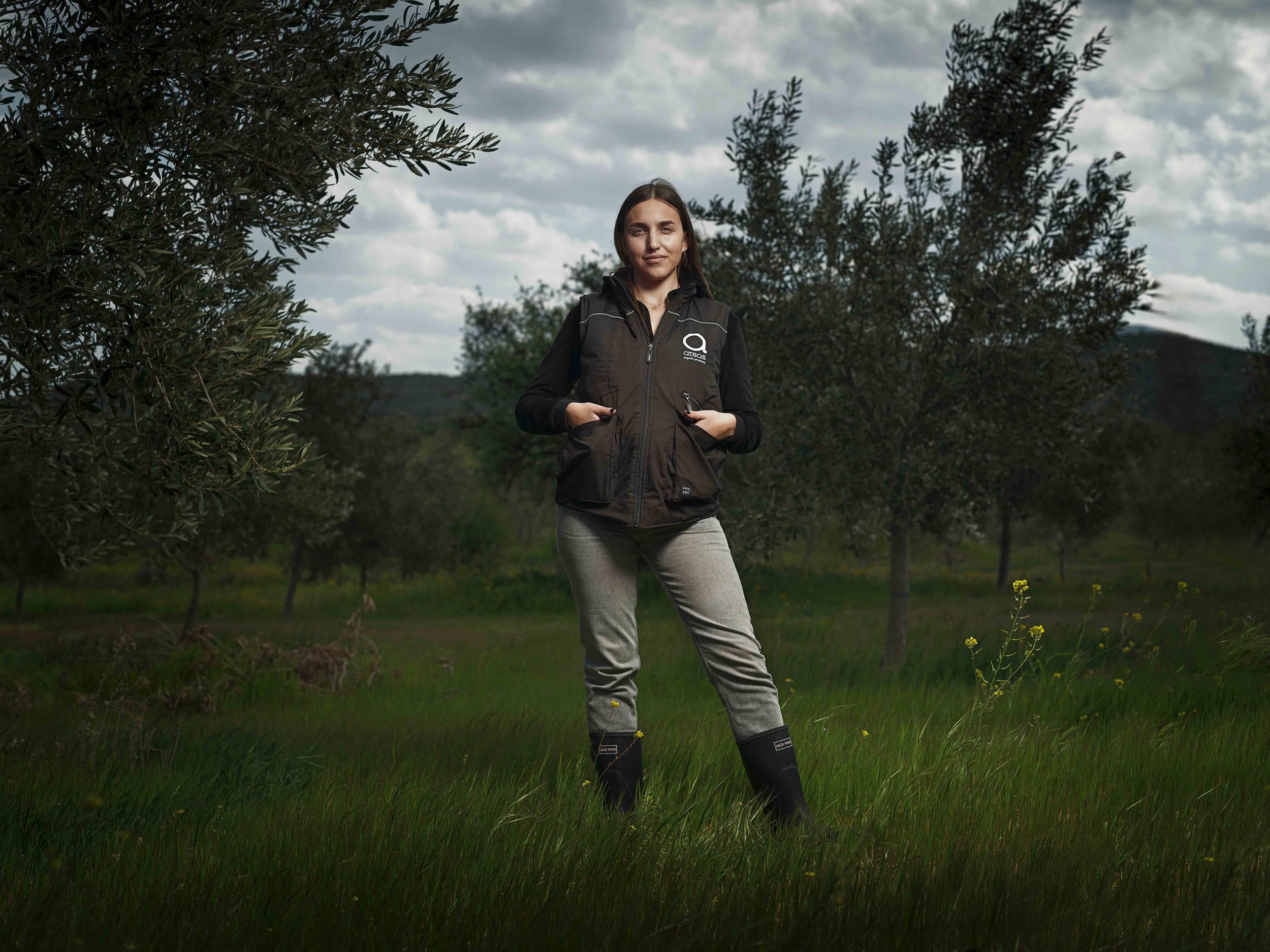
The farm is now run by two young and ambitious women.
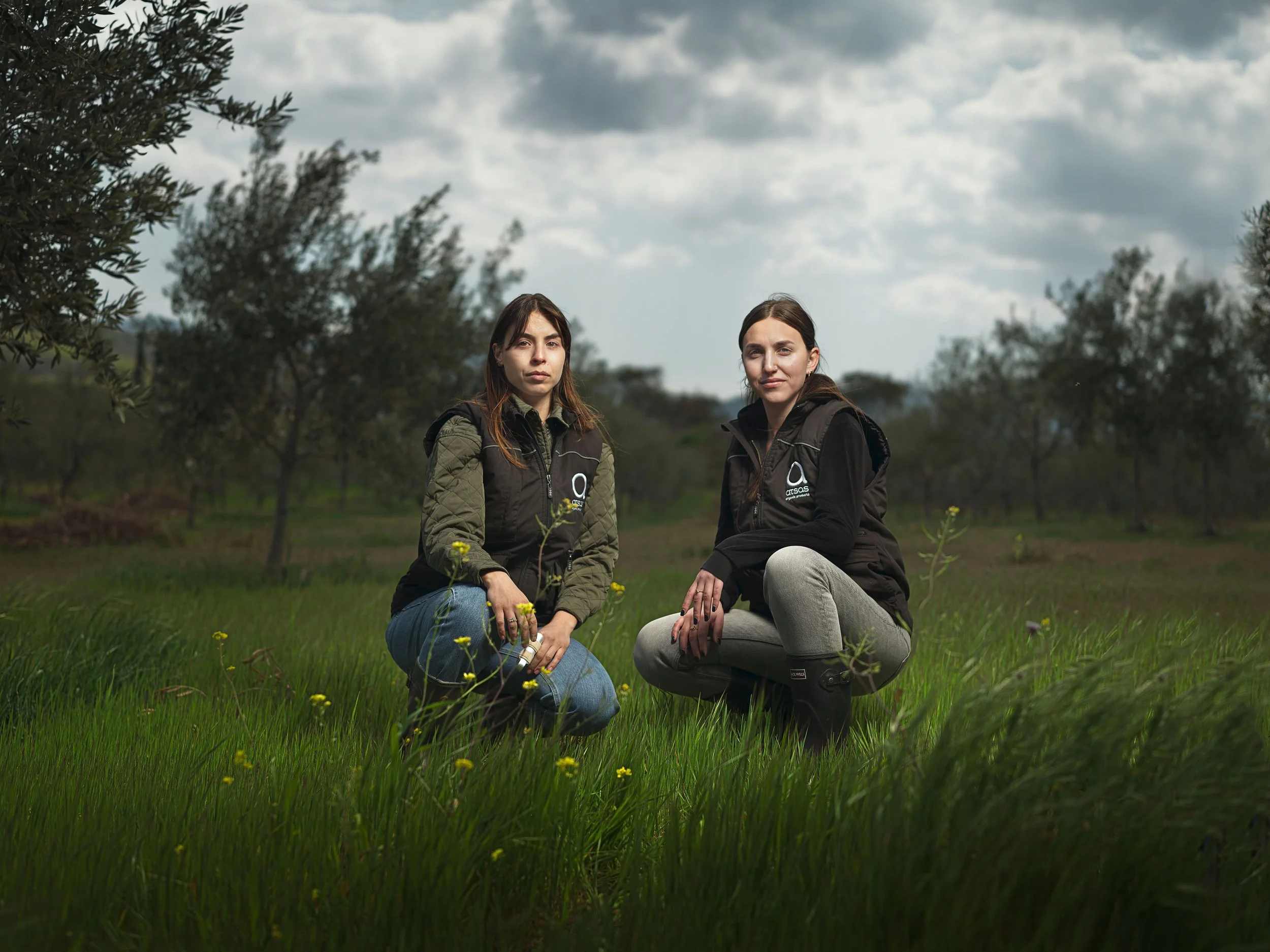
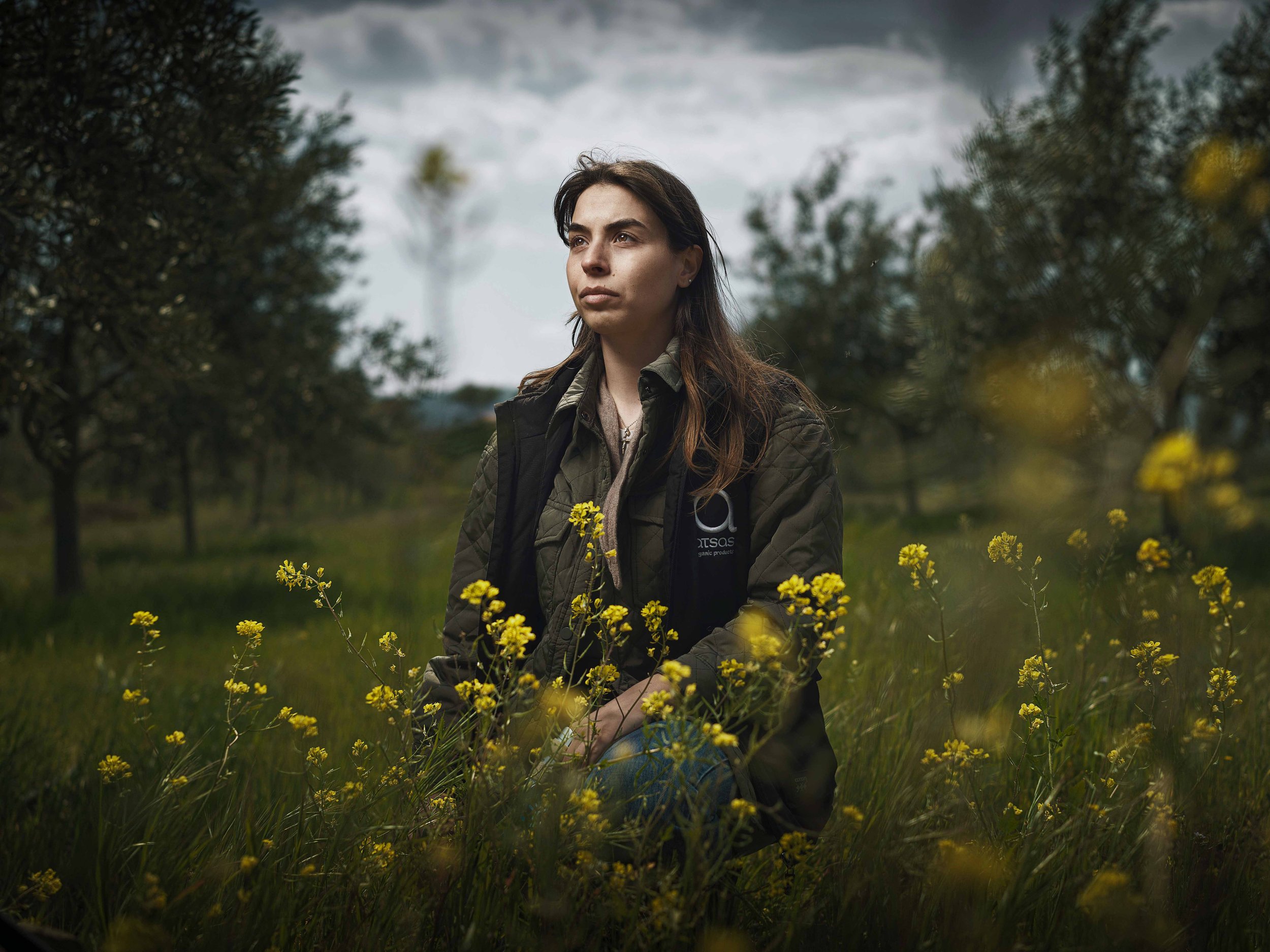
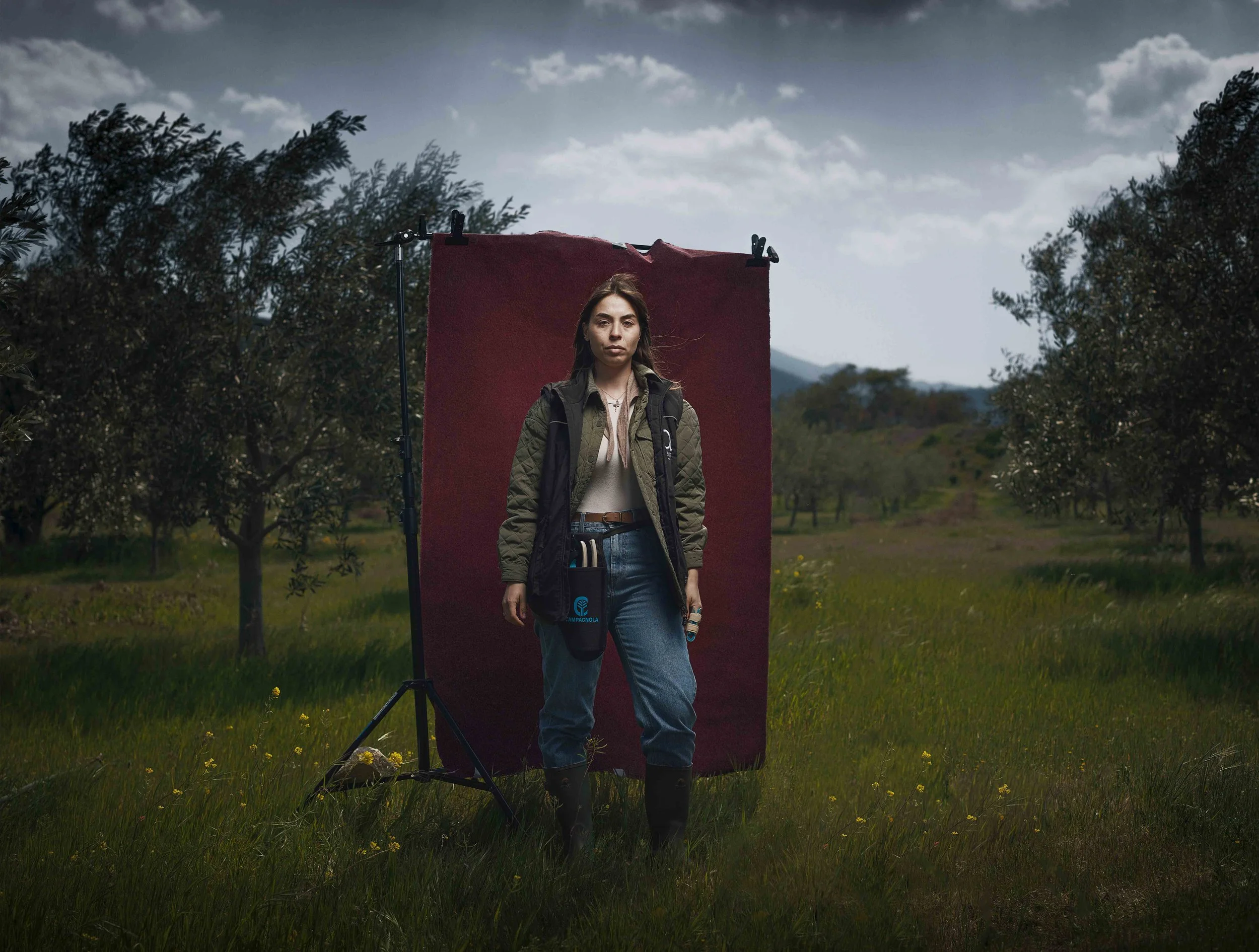
Anastasia Panteli, 29, is the farm’s agriculturist. Coming from a family of growers, she always knew she wanted to work close to nature.
“Never a day is the same in agriculture,” she told me. “There is always a new schedule for the next day.”
Her work begins in the fields. She manages irrigation, organic fertilization, and the overall health of the olive trees.
“As an agriculturist I take care of everything that happens in the field,” she explained. “Every year is different. The weather changes, conditions change, and we have to adapt.”
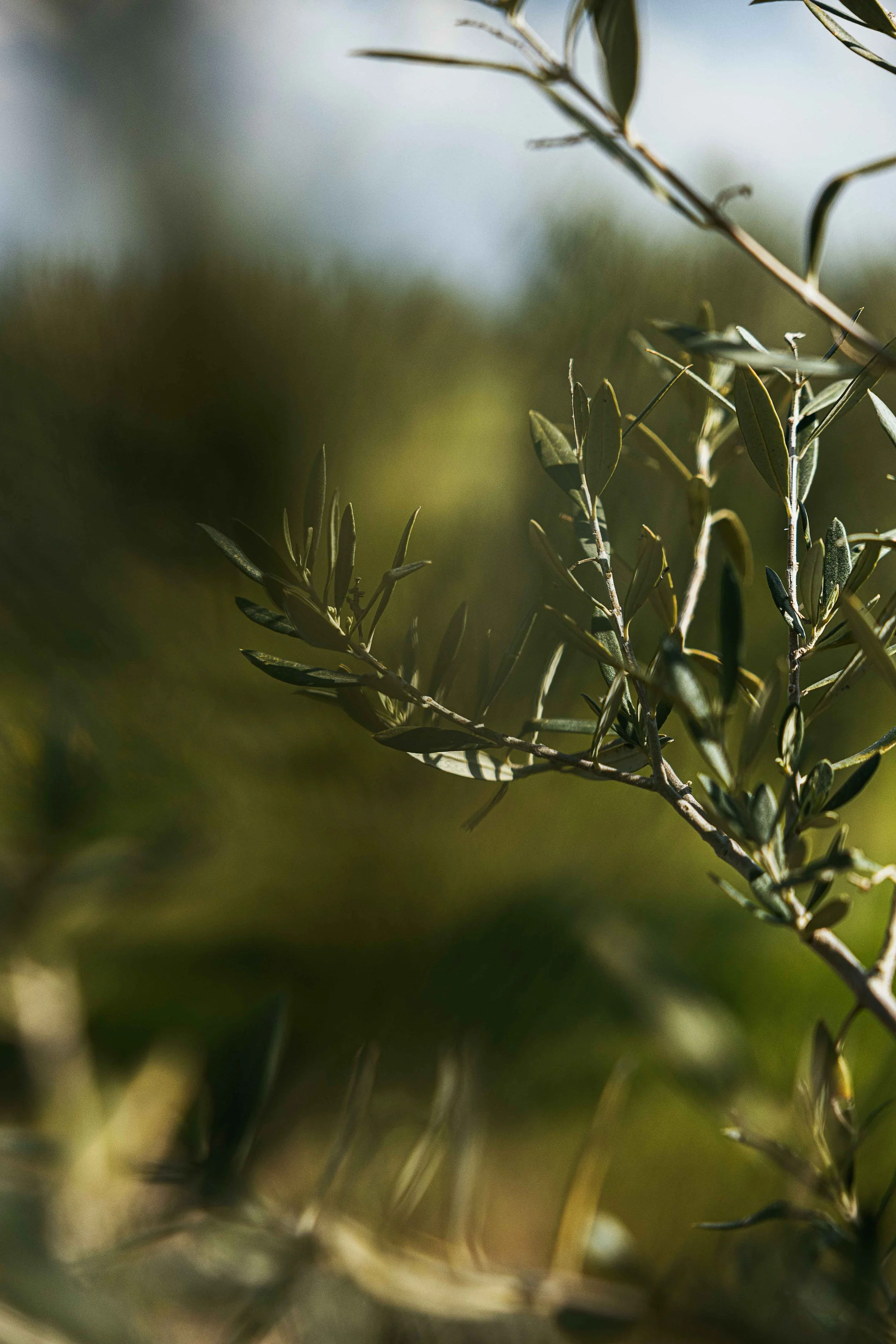
The olive trees here come from three different varieties, carefully cultivated together to produce the farm’s unique olive oil.
To keep the land healthy and natural, the fields are not fully cleared. Wild vegetation and small yellow flowers grow between the trees, helping enrich the soil and support the ecosystem of the farm.
During the harvest season, usually between September and November, the work begins early in the morning. The olives are carefully collected and quickly transported to the mill, where the oil extraction process takes about one to one and a half hours.
“Sometimes agriculture feels like gambling,” Anastasia said with a smile. “You think next year will be better, but something unexpected always happens.”
Still, seeing the final result makes the effort worthwhile. “It makes me proud to see our work become a product that people appreciate.”
“Sometimes agriculture feels like gambling. You think next year will be better,
but something unexpected always happens.”
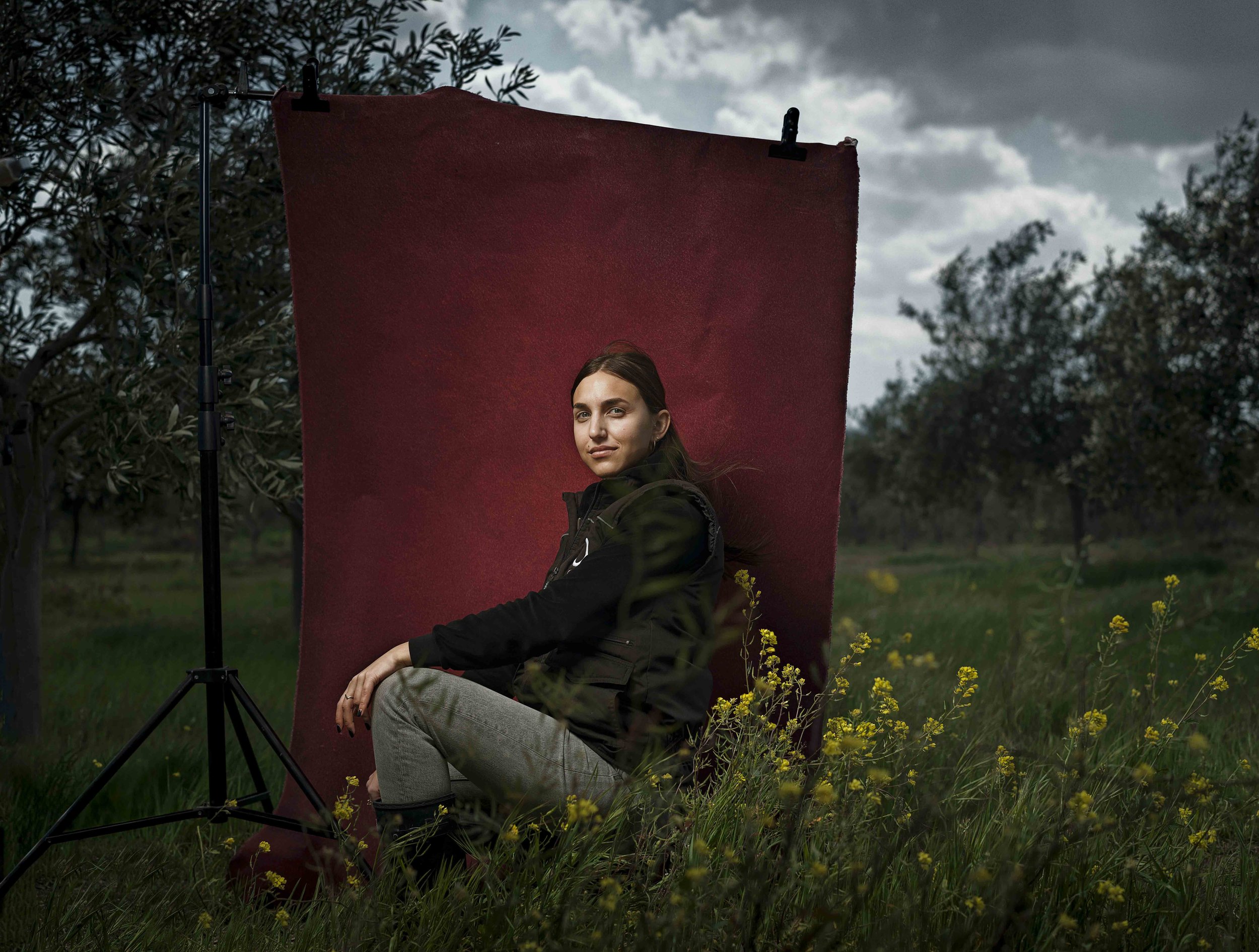
Inside the production area, Maria Occaridou, 25, oversees the scientific side of the process. As a food scientist, she monitors the quality of the oil from extraction to bottling.
“I always wanted to work with biology and organic products,” she said.
Her role includes checking the temperature of the olives before processing, monitoring the crusher during extraction, and ensuring quality control throughout the entire production process.
“It makes me proud when our oil receives awards,” she said, “but also when people tell us it helped them with health issues.”
“It makes me proud to see our work become a product that people appreciate.”
What makes the oil from this place so unique is still something the team continues to study. It may be the location, where winds move through the valley from different directions. It may be the soil, naturally rich in minerals and copper, influenced by a nearby copper mine. Or perhaps it is simply the land itself, which remained untouched for nearly forty years inside the buffer zone.
Whatever the reason, the combination of land, climate, and careful work has created something rare. And today, in this quiet part of Cyprus, two young women help produce one of the most distinctive olive oils in the world.