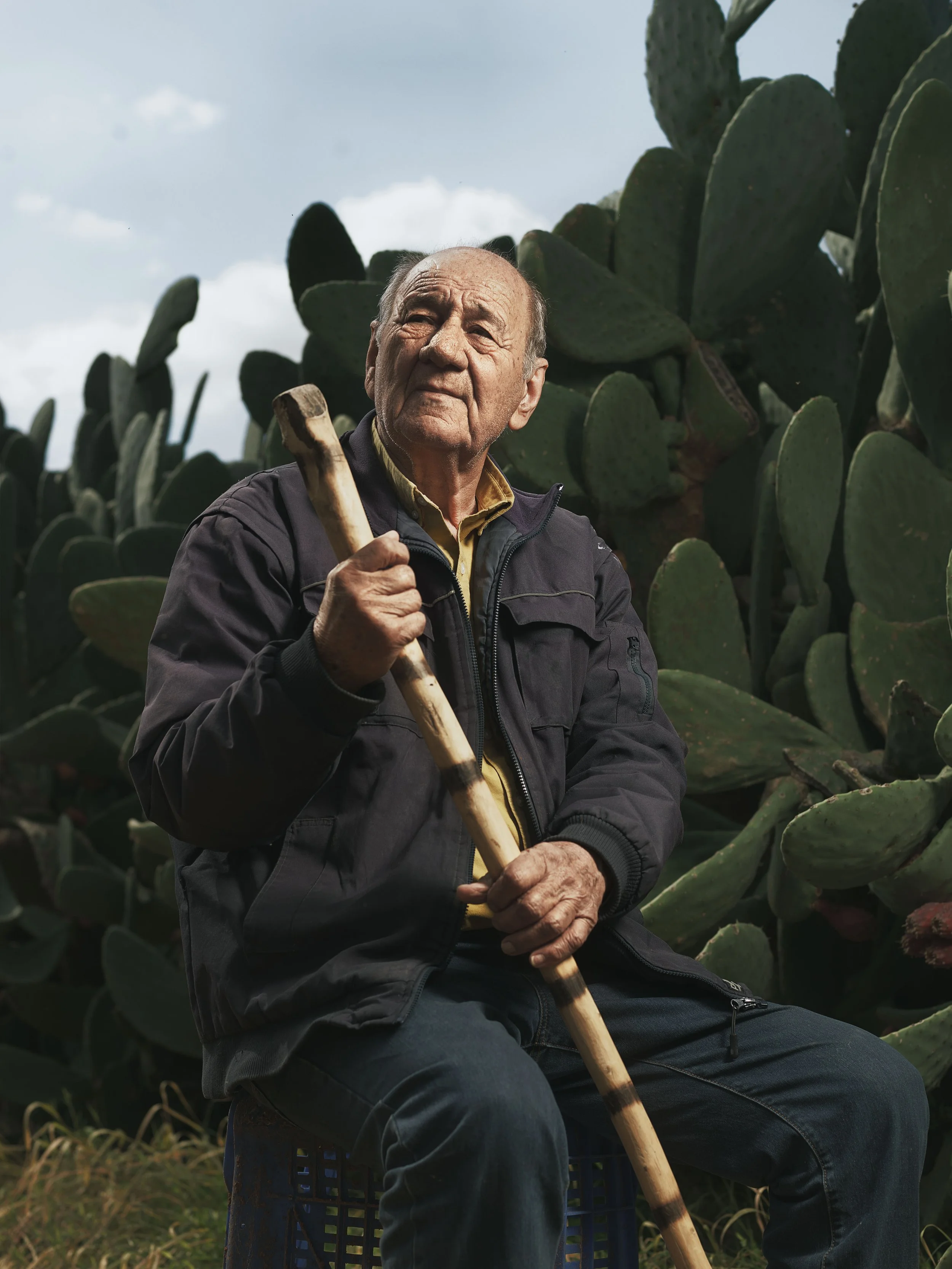
Cactus Fruit - Solon
Akaki, Cyprus
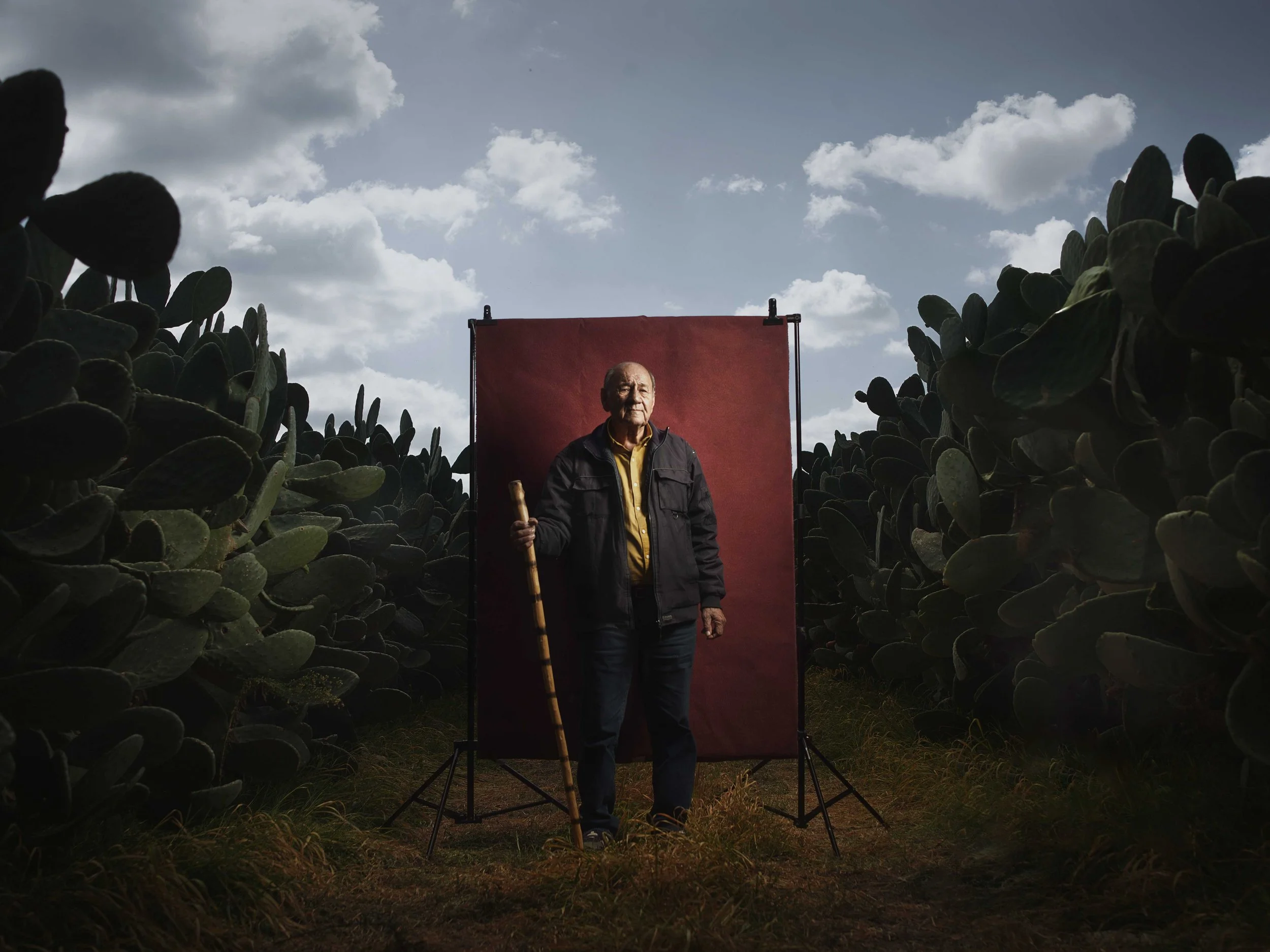
“I call them my kids…
actually they are
more than my kids,
because I have to take
care of them every
day, forever.”
(he said jokingly)
“Even when I was away, I was always thinking about the land,” he said.
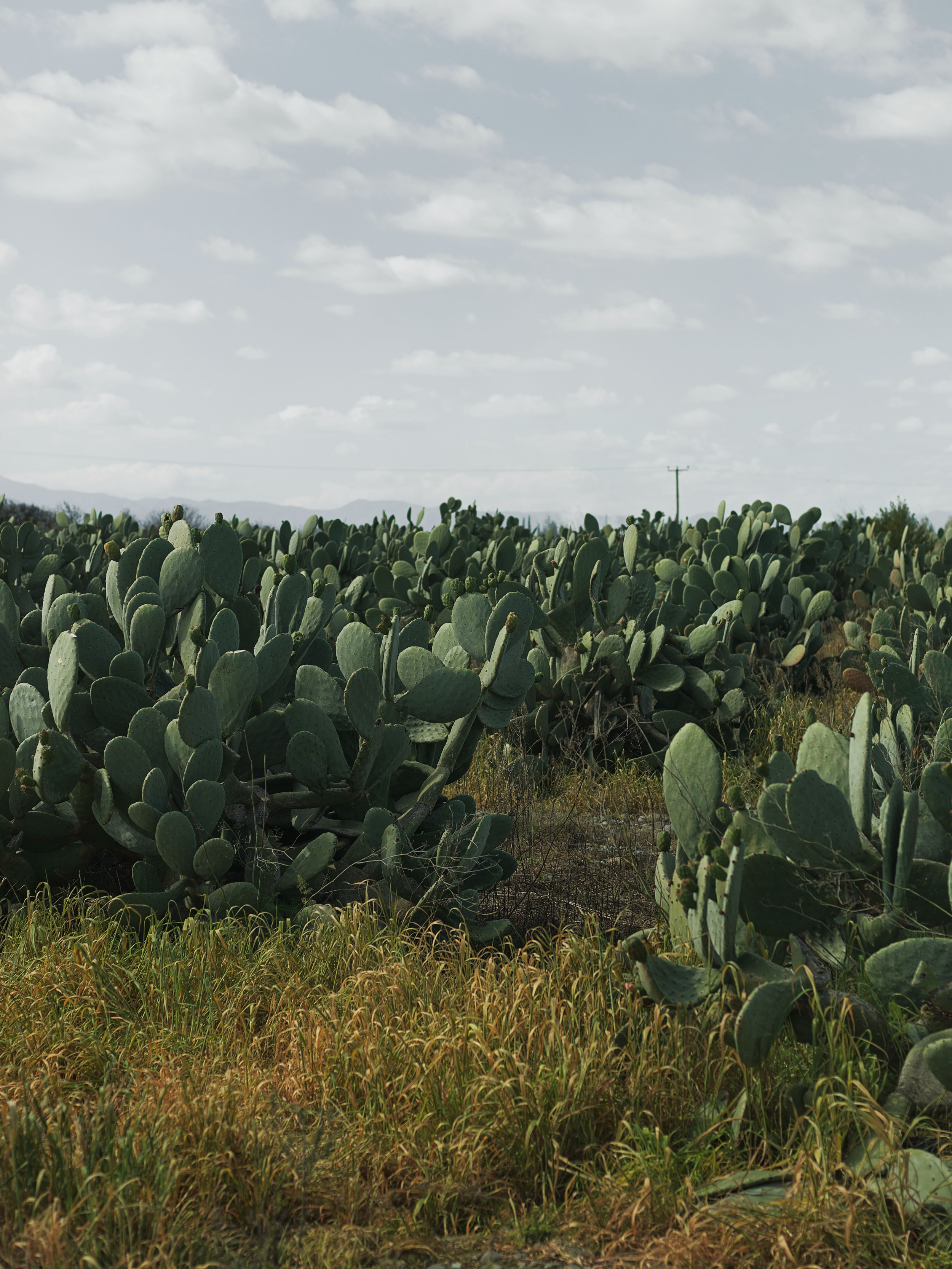
The land around Akaki is rough. The soil is hard and full of stones, big and small, the kind of ground that does not easily give itself to cultivation. Yet between the rocks and the dry earth, rows of cactus plants grow quietly under the winter sun.
This is where I met Mr. Solon Gregoriou, 79 years old.
He has spent most of his life around land and cultivation. His father and grandfather were growers, and from a young age he was already learning by watching others work.
“I started at fourteen,” he told me. “It was always in my DNA. I watched what others were doing and learned from their mistakes.”
In his early years he worked with cows to help prepare and improve the land. But life took him on a different path. Wanting to provide for his family, he went to study and became an aircraft engineer, eventually working in England.
After the events of 1974 in Cyprus, he returned to England again to continue working as an engineer. Still, the connection to the land never left him.
“Even when I was away, I was always thinking about the land,” he said.
About twenty-five years ago, he decided to return to his roots and dedicate himself to farming again. Since then, he has been planting and cultivating cactus fruit, known locally as papoutsosiko.
“As much as you love something, the more you want to create.”
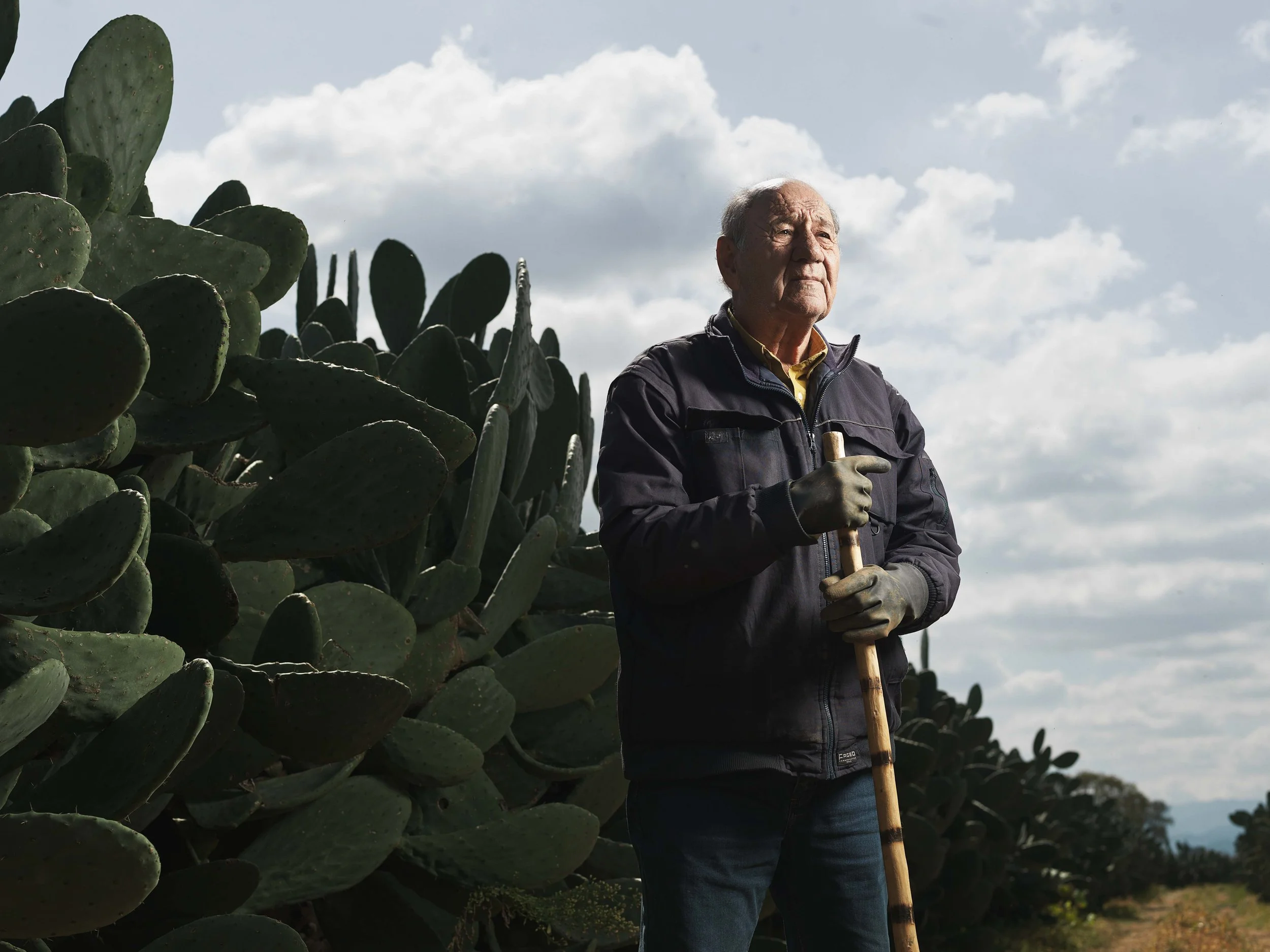
In fact, he was among the first growers who helped introduce cactus fruit to European markets in the 1980s, something that later encouraged growers in other countries to start cultivating it as well.
For him, being a farmer means discipline and routine.“As a farmer you wake up very early,” he said. “You have to organize the day and go around the fields.”
Walking between the cactus plants, he checks each one carefully. “I call them my kids,” he said, smiling. “Actually, they are more than my kids, because I have to take care of them every day, forever.”
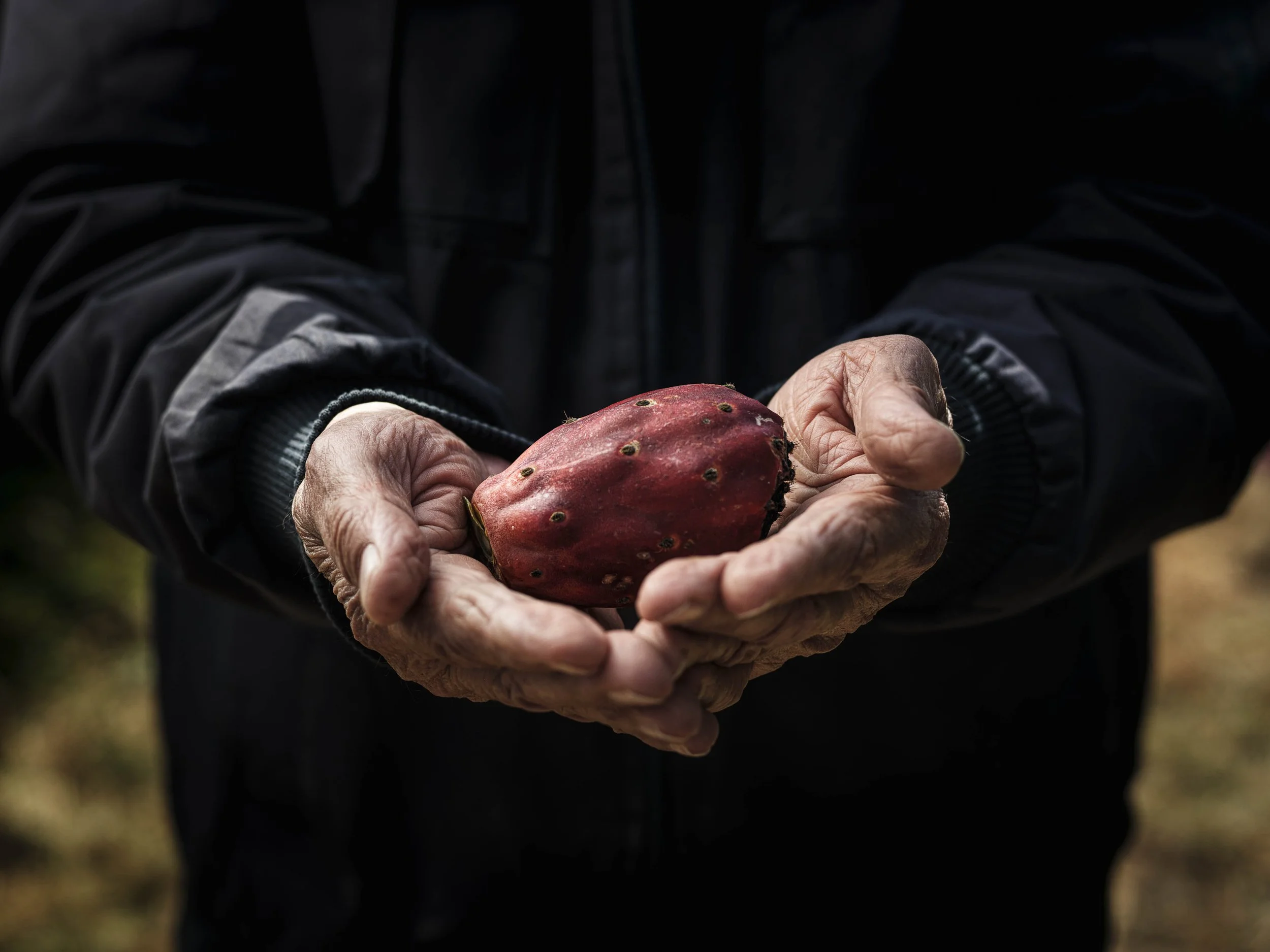
The cactus fruit begins as a small flower, slowly turning into a green fruit covered with fine spikes. As it grows, its color changes depending on the variety, becoming yellow or deep red when it reaches maturity. From flower to fruit, the process takes around four months.
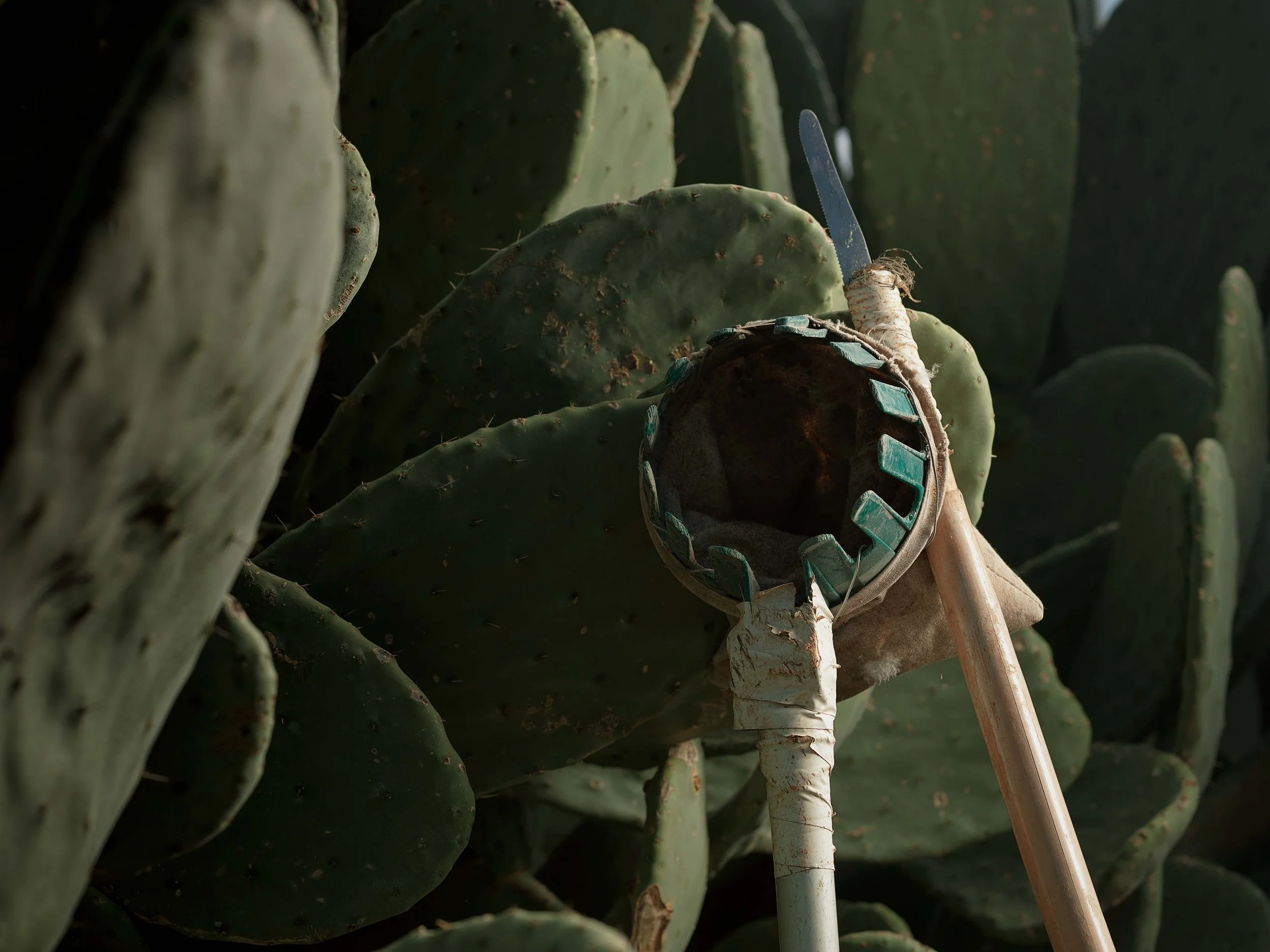
Harvesting the fruit requires patience. Because of the small spikes, growers use rubber gloves or a simple homemade tool that holds the fruit, allowing them to cut it carefully with a knife. Each fruit is harvested one by one.
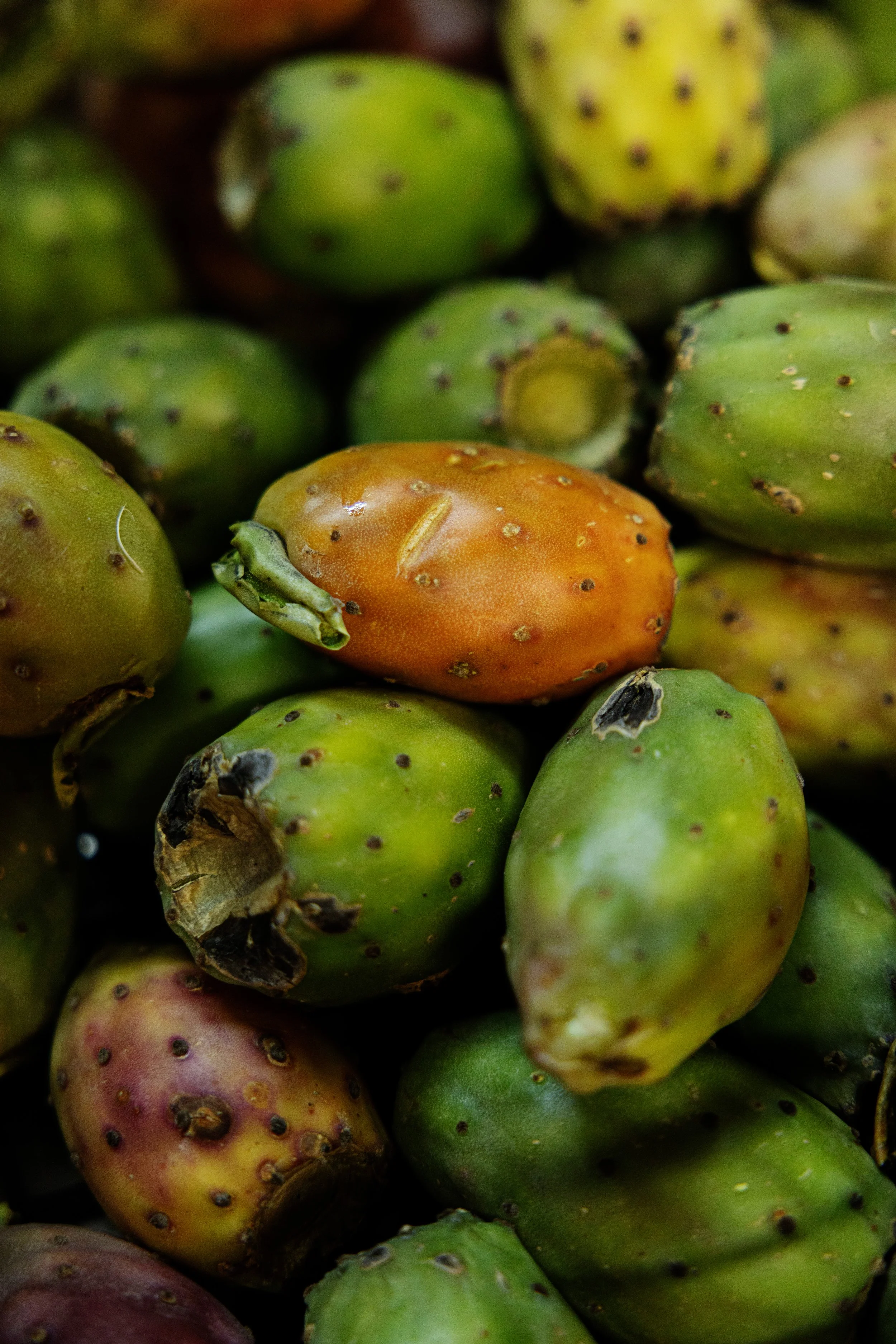
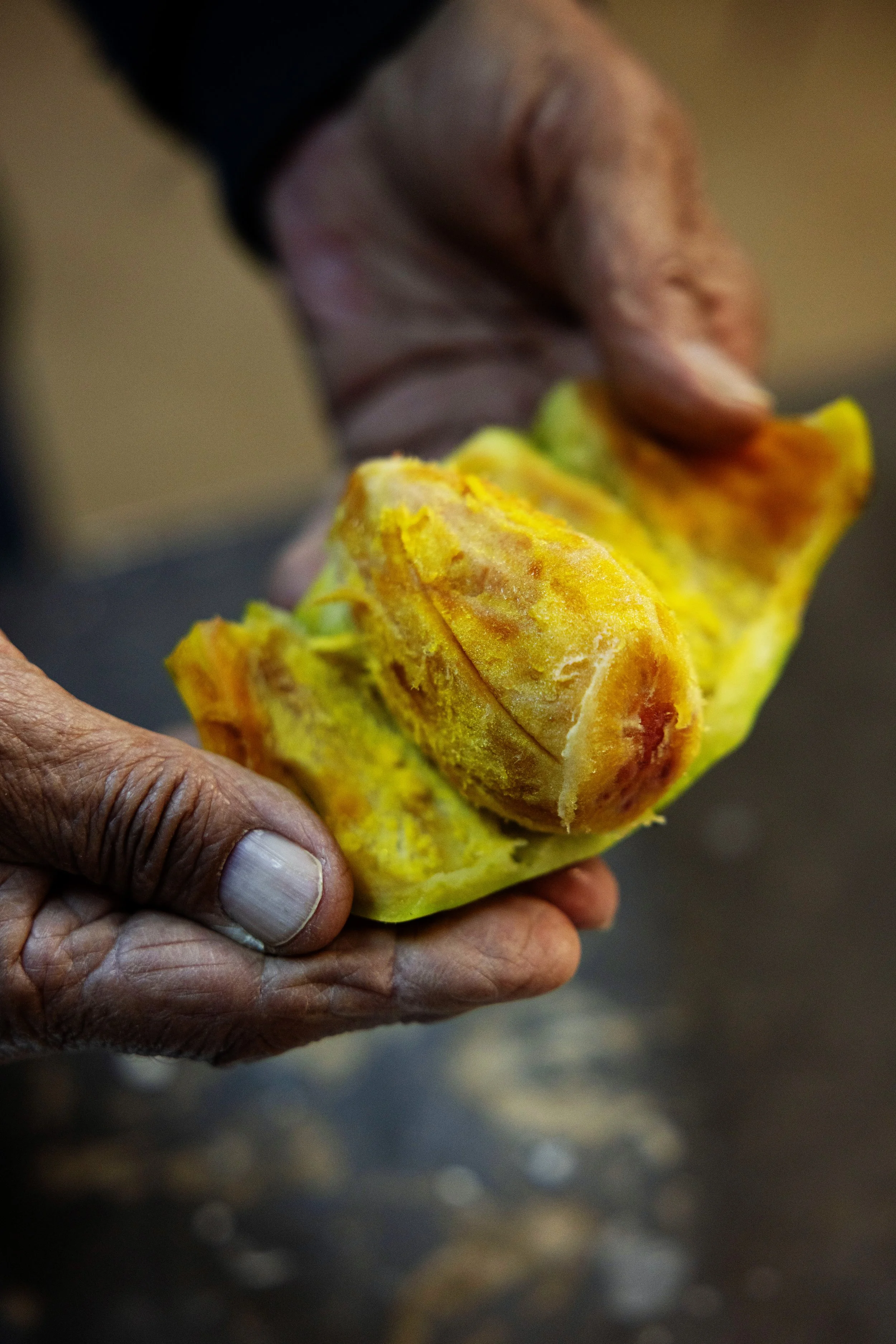
Even after harvesting, the fruit itself is still covered with tiny spikes that need to be cleaned. To eat it, you make a clean cut in the middle and peel the skin away. Inside, the flesh is full of small hard seeds, and the taste is sweet and refreshing, especially under the warm Mediterranean sun.
Despite the tough land, the plants produce fruit almost ninety percent of the year.
Still, farming is never without challenges. In recent years, insects have started attacking the plants, damaging entire sections of the fields.
“The hardest thing,” he said, “is when you face difficulties and you don’t have support — whether it’s insects or natural disasters.”
But even with the challenges, his connection to the land remains strong. “If you love the earth, you enjoy it,” he told me. Then he laughed and added jokingly, “It’s like having new kids — you love them even more than the old ones.”
For him, growing food is also something deeper. “As much as you love something, the more you want to create,” he said. “God gave us the earth to create and to offer.”
He believes the cactus fruit itself is a gift. “It’s a sweet fruit,” he explained, “and because of its elements it is healthy for everyone, no matter what health problems they have.”
Standing in his fields, watching the plants grow, he quietly observes the results of decades of care and patience.
“I enjoy looking at them,” he said. “Seeing the plants grow and knowing that your work can provide something for others.”
“If you love the earth, you enjoy it.”