
A Different Crop-Berries
Villa de Gallimazo, Spain
Ruben comes from a farming family. His father and grandfather traditionally worked with wheat, barley, sunflower and other extensive crops.
Fourteen years ago, the family decided it was time for a change. The traditional crops were no longer giving them enough value, so they looked for something different and introduced strawberries, blueberries and blackberries to their farm in Salamanca.
It was a big change from the way his family had always farmed.
Ruben had been around agriculture since he was three years old. From a young age, he knew that farming was what he wanted to do. He later studied agriculture, but much of his experience came from being in the fields and learning through the work itself.
"You need to love this job and enjoy it every day."
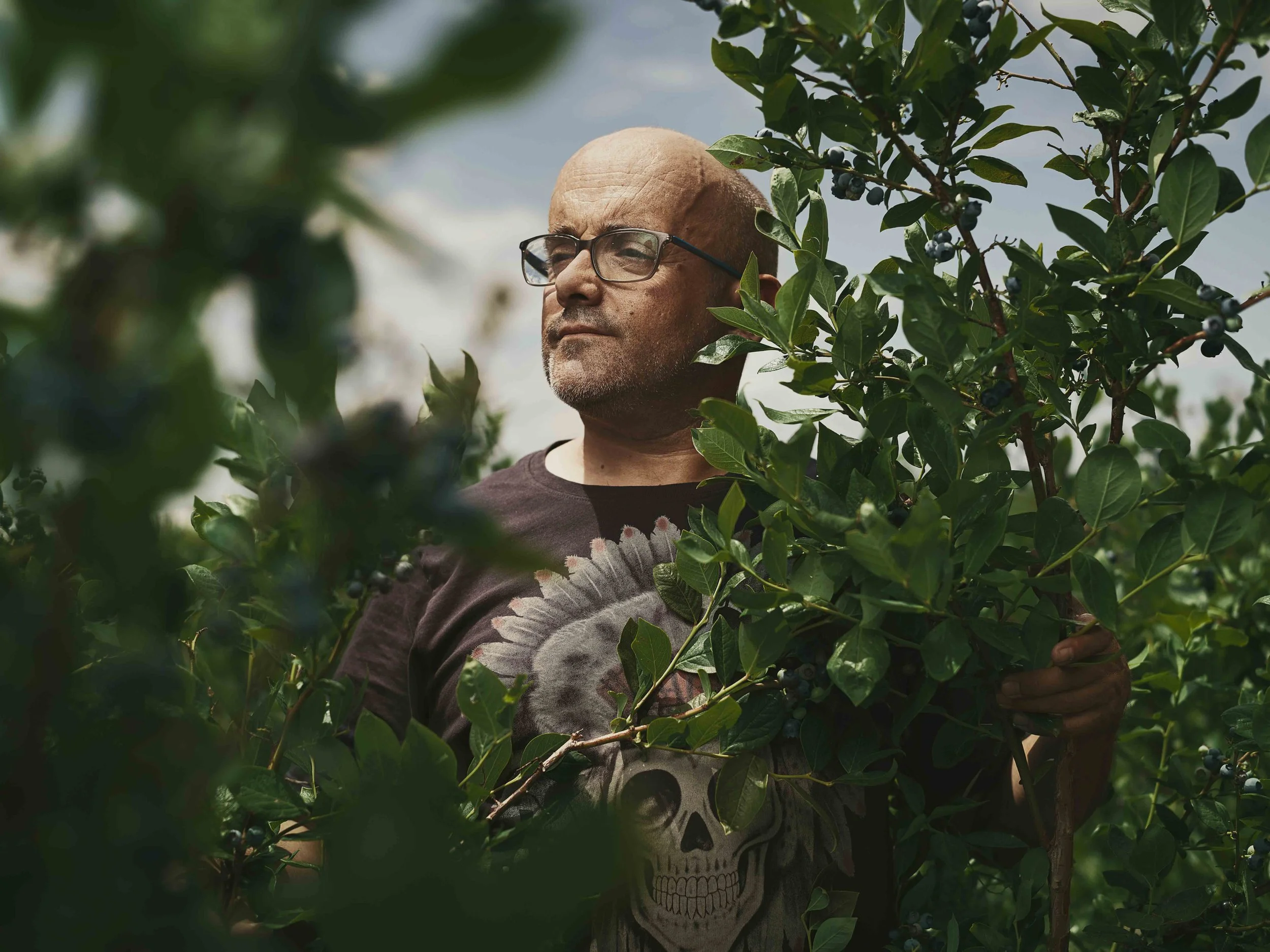
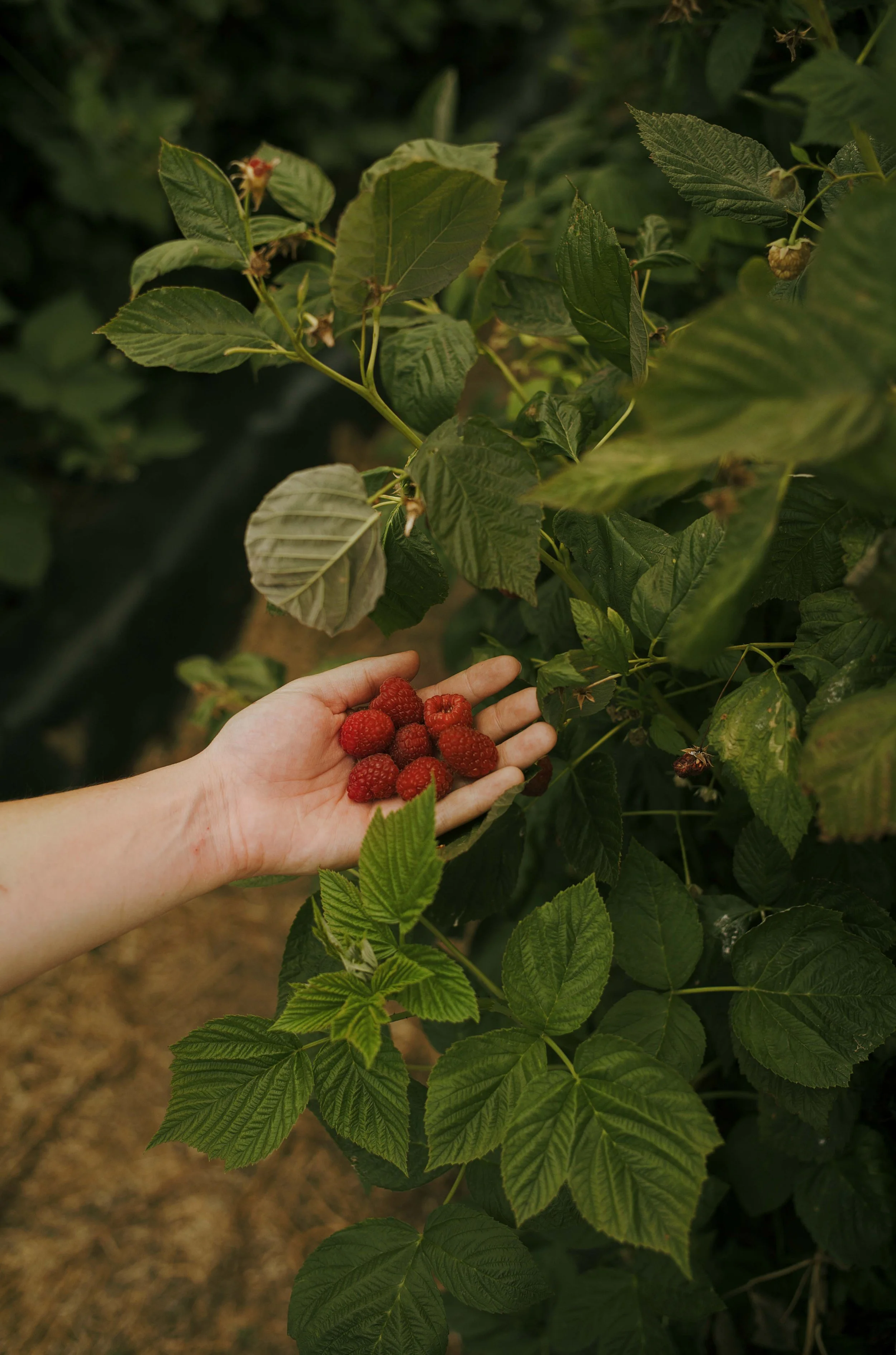
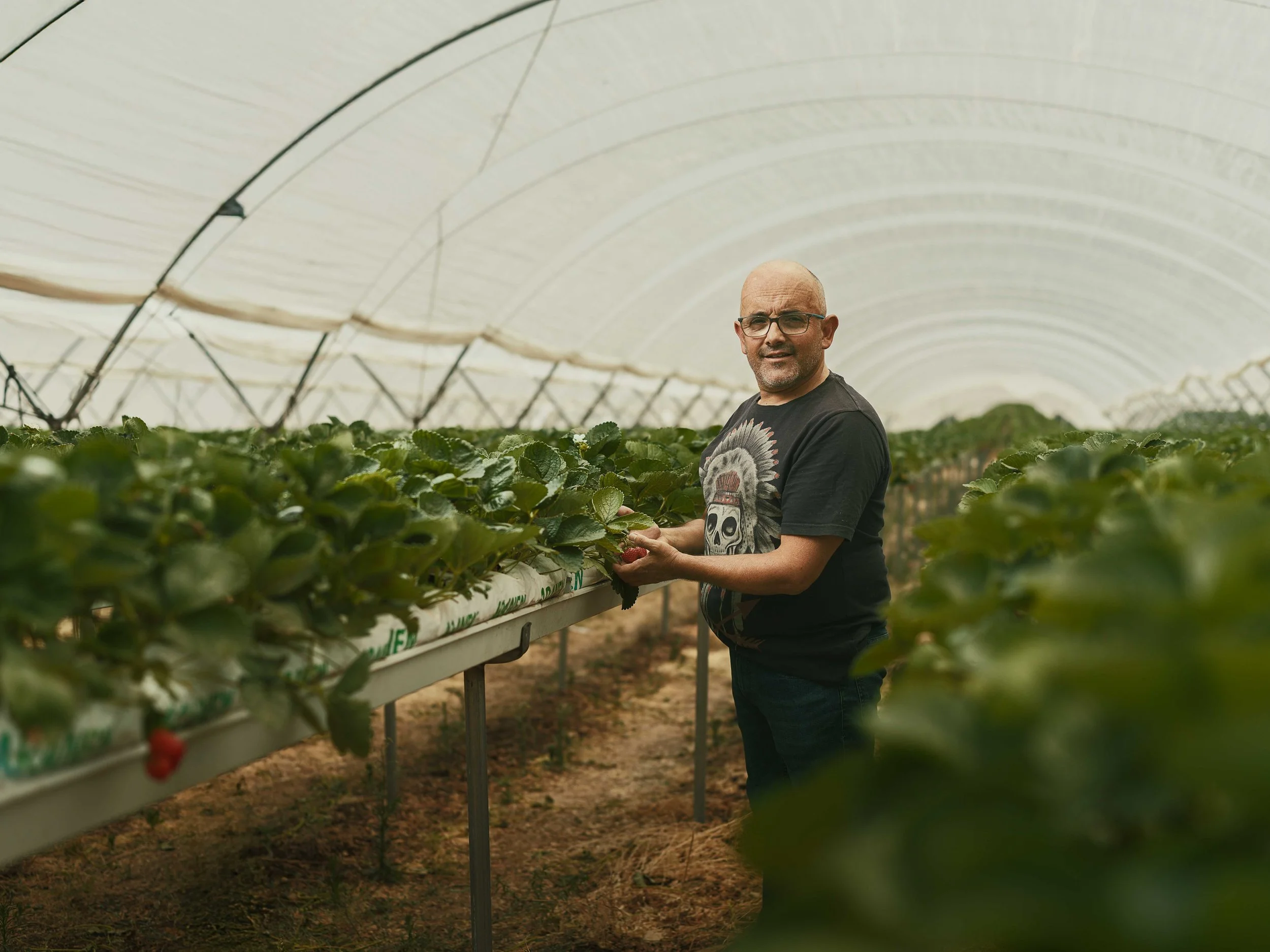
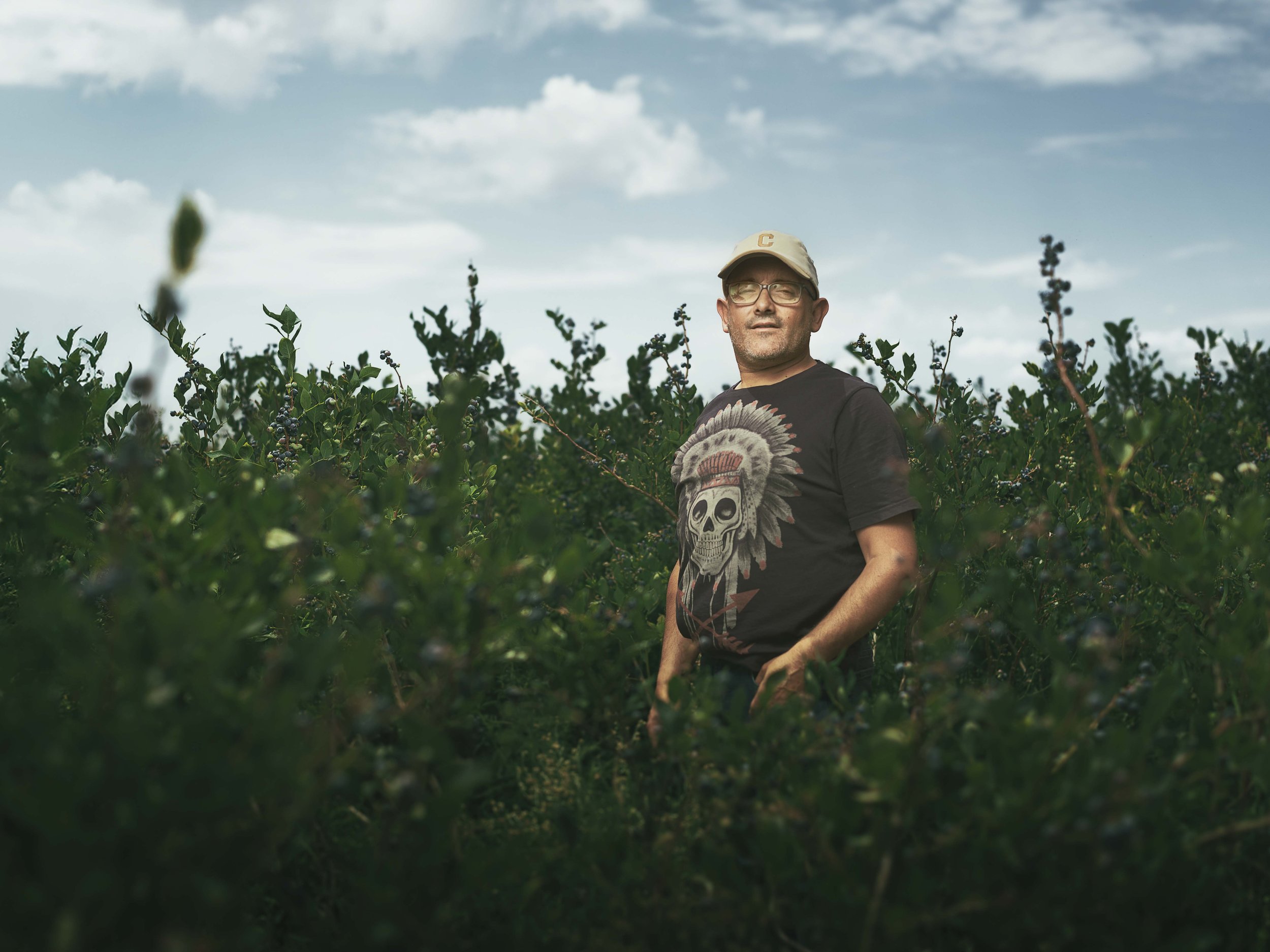
Today, Ruben is one of the three partners and the person who is there throughout the year. His work covers much of what happens on the farm, from managing the fields and harvesting to preparing the orders.
During the busiest harvest period, around 120 workers can be working on the farm, with the fruit picked by hand.
“I like everything. I like the final result.”
The work also comes with its difficulties. Machinery can break down, watering systems can have problems, and regulations and inspections add constant pressure.
Water is another important part of the farm. They have a good water supply, but have also introduced a system to recycle water and reduce consumption.
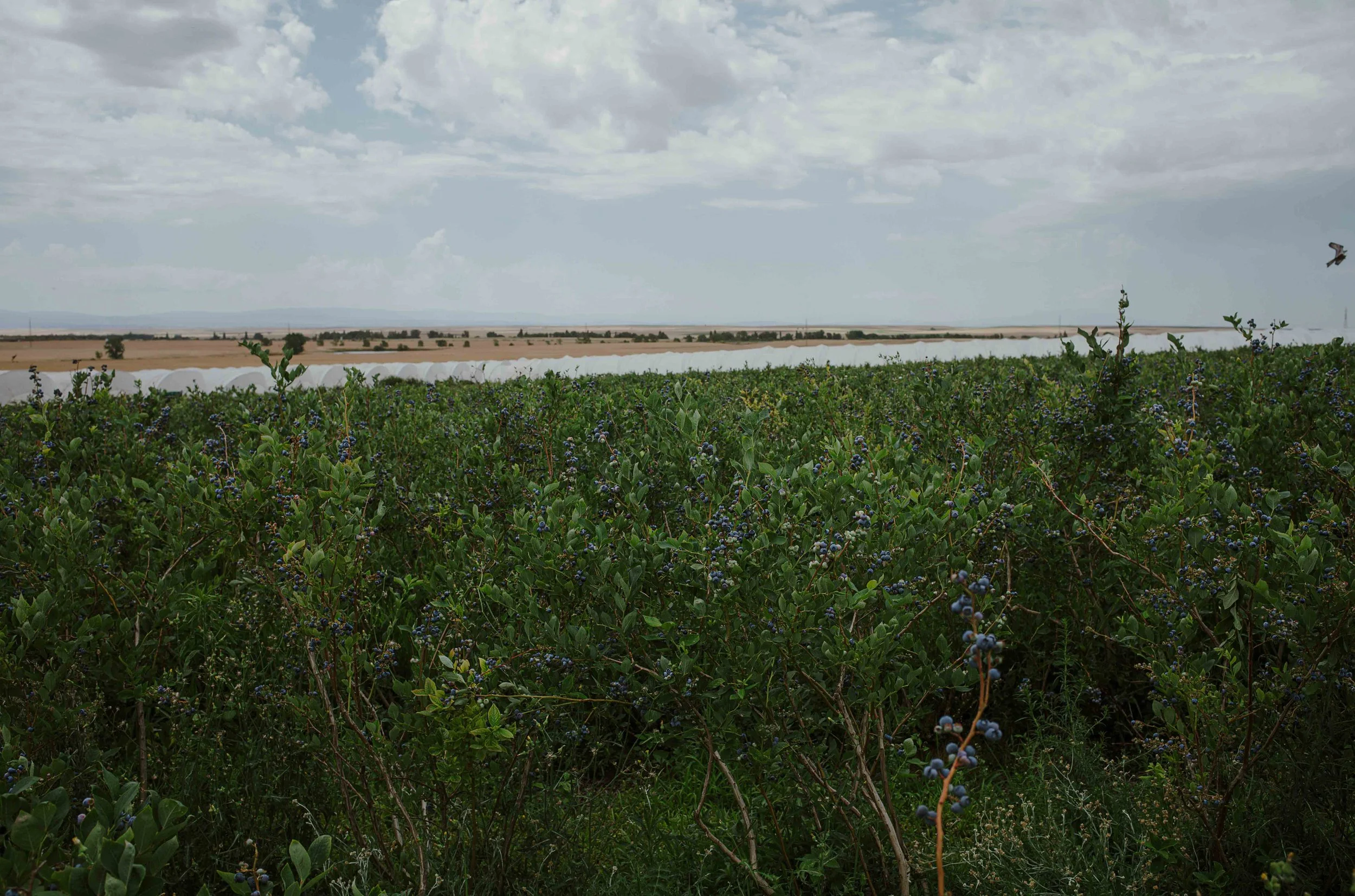
"The more you put into the strawberry, the more it gives you."
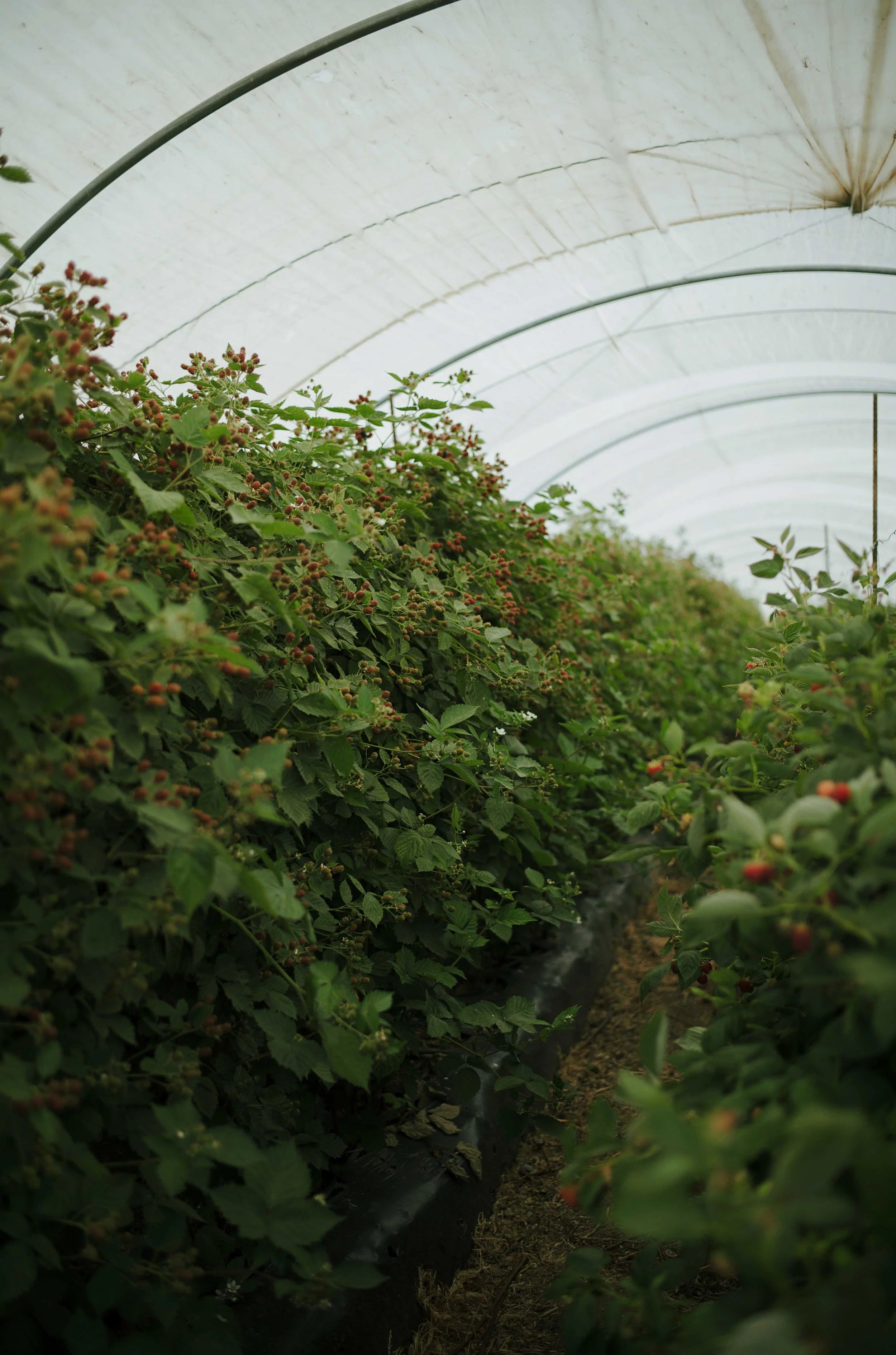
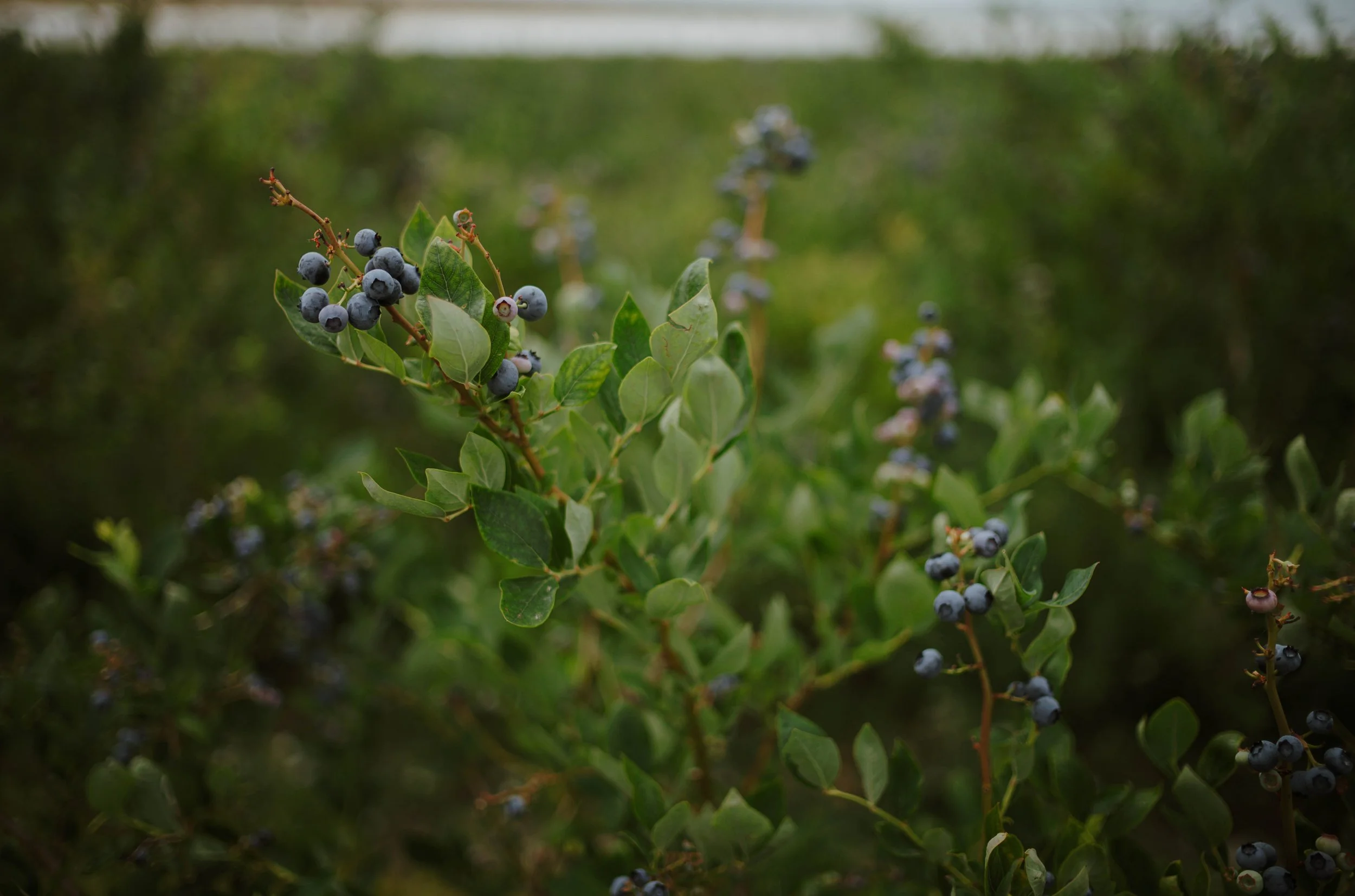
Some strawberries are grown directly in the soil, while others are grown hydroponically. The raised system makes picking more comfortable, while protected growing areas help protect the plants from summer storms and extreme temperatures. This also allows the strawberry harvest to continue from around September until November.
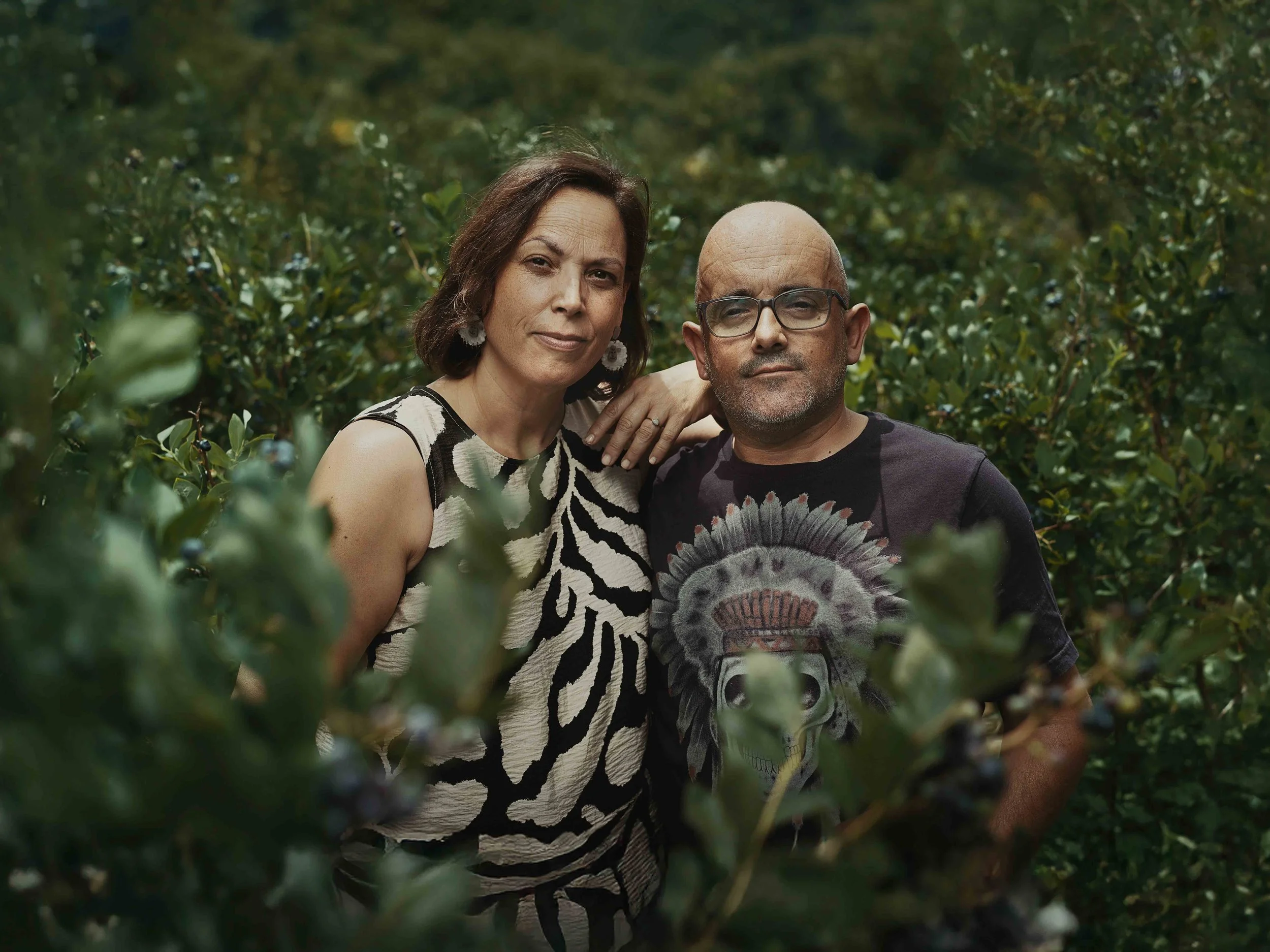
For Ruben, however, farming is about more than the crops.
He feels that farmers are sometimes undervalued because people don't always see the work, investment and risks behind something as simple as buying a strawberry.
Behind one strawberry is a long process of growing, caring, picking, selecting and preparing it.
His advice is simple:
“Don't lose your passion. Don't get tired of it. We're going through some difficult times, but if you love this job, in the end it pays off.”
Fourteen years after moving away from his family's traditional crops, Ruben continues to farm in a different way, but with the same passion he had when he was young.